

Rediscover Health & Wellness with Phytonutrients with Paul KrameR – CLICK HERE

Phytonutrients are chemical compounds that occur naturally in plants (phyto means “plant” in Greek). Some are responsible for color and other organoleptic properties, such as the deep purple of blueberries and the smell of garlic. Phytochemicals may have biological significance, for example carotenoids or flavonoids, but are not established as essential nutrients.[1][2][3]There may be as many as 4,000 different phytochemicals.[2] BY WIKIPEDIA

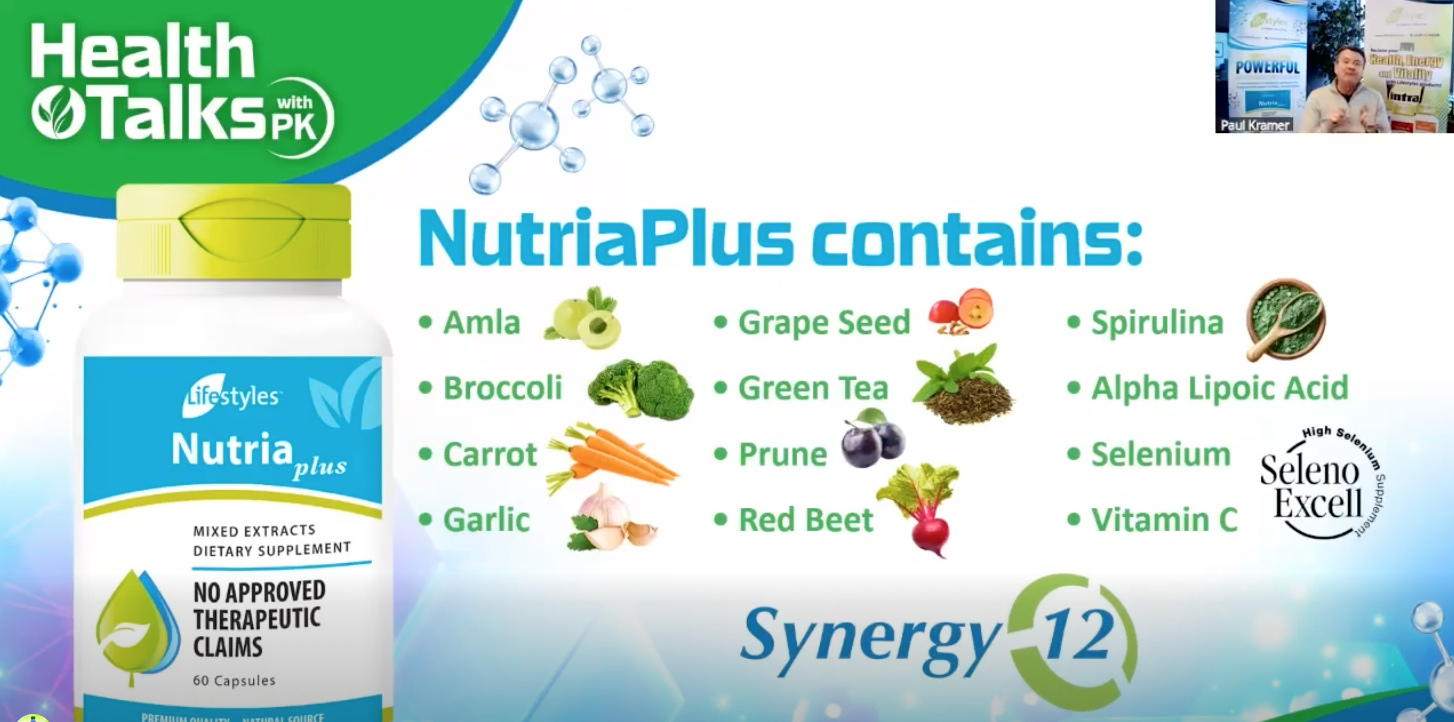


Phytonutrients (sometimes called phytochemicals). They are natural compounds made by plants that can support human health.Common reasons people care about phytonutrients:
- Antioxidant effects — help protect cells from oxidative stress.
- Inflammation support — some may help regulate inflammatory processes.
- Heart health — certain compounds are linked with better cardiovascular markers.
- Gut health — many plant compounds interact with gut bacteria.
- Disease risk reduction — diets rich in fruits, vegetables, legumes, herbs, tea, and whole grains are associated with lower risk of some chronic diseases.
Examples:
- Carotenoids in carrots and tomatoes (beta-carotene, lycopene)
- Flavonoids in berries, cocoa, tea, onions
- Sulforaphane in broccoli and other cruciferous vegetables
- Resveratrol in grapes
- Anthocyanins in blueberries and purple vegetables
The general scientific consensus is that phytonutrients are most beneficial when consumed through a varied whole-food diet rather than isolated supplements.