
Allergies cure and prevention strategies

Allergies happen when the immune system overreacts to something that is usually harmless, such as pollen, dust mites, pet dander, foods, insect stings, or medications. There is often no permanent “cure” for allergies, but many treatments can prevent symptoms, reduce reactions, or sometimes lead to long-term remission.

The number of allergy sufferers is increasing as the pollen season lengthens, resulting in an increasing number of sensitive individuals and increased economic losses. Examples of the economic impact of the prolongation and increase in the prevalence of allergies are well known. For example, pollen from Japanese cedar plantations in Japan reduces work productivity and household consumption. The cost to the economy is increasing by billions of yen per day. And similar losses are reported from the USA, Europe and Australia.

The combination of worsening pollen exposure (longer pollen season and deteriorating environment) and the growing number of allergic people is increasing pressure on healthcare systems. But economic losses can be reduced thanks to preventive and modern treatment methods.

The methods of treating allergies

Do you know about modern immunotherapy and the sublingual method of allergy treatment? What is modern immunotherapy and sublingual allergy treatment?

Modern immunotherapy in allergy treatment means that it does not just try to suppress symptoms (runny nose, cough, itching), but changes the immune system’s reaction to the allergen itself. Most often, it is the so-called allergen immunotherapy.

There are two main forms:

• injectable (SCIT) – allergens are injected

• sublingual (SLIT) – allergen is taken under the tongue in the form of drops or tablets

How does the sublingual method (SLIT) work

The patient regularly puts a small dose of allergen under the tongue, where it is absorbed through the mucous membrane. The immune system gradually “gets used to” and stops overreacting.

It is mainly used for:

• pollen allergies

• dust mite allergies

• sometimes animal or mold allergies

Treatment usually lasts:

• a few months a year for pollen allergies

• or 3–5 years long-term

Advantages of sublingual immunotherapy

• can be used at home

• less risky than injections

• also suitable for children

• can reduce the need for antihistamines

• sometimes prevents allergies from worsening or asthma from developing

Disadvantages and limitations

• the effect begins slowly

• must be taken regularly

• does not work for all types of allergies

• may cause mild irritation in the mouth or throat

Differences from conventional medications

For example, antihistamines only suppress symptoms. Immunotherapy tries to change the immune response itself, so it can have a long-term effect even after treatment ends.

What are other options? What helps?

A combination of allergen avoidance, environmental modification, and targeted treatment usually works best to reduce allergies. What is most effective:

• Identify specific allergensTests with an allergist will often show whether it is mainly pollen, dust mites, mold, animals, or food. Each type has different measures.

Pollen allergies

◦ monitor pollen forecasts,

◦ air out more often after rain or in the morning,

◦ wash your hair and change clothes when you get home,

◦ dry your clothes inside during high pollen season,

◦ use an air purifier with a HEPA filter.

Dust mites

◦ wash bed linen at 60°C,

◦ dust mite-resistant mattress and pillow covers,

◦ fewer carpets and textiles in the bedroom,

◦ lower humidity in the apartment.

• Nose and respiratory tract

◦ nasal irrigation with saline or sea water,

◦ enough sleep,

◦ do not overheat and humidify dry air only sensibly.

◦ modern antihistamines tend to cause less fatigue,

◦ nasal corticosteroid sprays are very effective for rhinitis,

◦ in asthma, regular use of inhalation according to the doctor’s prescription is important.

Allergen immunotherapy

◦ long-term treatment (“allergy vaccines”),

◦ can significantly reduce symptoms and medication consumption,

◦ works best for pollen, dust mites or insect venom.

Lifestyle

◦ regular exercise,

◦ regular stay in nature and the forest, but it is necessary to monitor the pollen news,

◦ stay in nature and outdoors outside the period of extreme pollen,

◦ do not smoke and avoid places where there is smoke and limit smoke,

◦ a varied diet with enough fiber and fermented foods can support the intestinal microbiome.

herbal supplements that support immunity

Some supplements (probiotics, quercetin, etc.) have mixed results — they help some, but they are not as reliable as standard treatment.

What are other options for your children? What helps to alleviate allergies?

• regular stay in nature,

• regular and varied contact with the outdoor environment,

• limiting unnecessarily sterile environments,

• standard treatment from an allergist (antihistamines, immunotherapy).

• talking to children about their allergy problems, patiently explaining to children and reassuring them

Source: Wikipedia, Lifestyles Independent Distributors, (AI) systems. May contain errors or inaccuracies.

Prevention strategies

Reduce exposure to triggers

  • Keep windows closed during high-pollen days
  • Use HEPA air filters and vacuum regularly
  • Wash bedding weekly in hot water for dust mites
  • Reduce indoor humidity to prevent mold
  • Bathe pets regularly and keep them out of bedrooms if allergic
  • Read food labels carefully for food allergies

Lifestyle habits

  • Don’t smoke and avoid secondhand smoke
  • Maintain good indoor ventilation
  • Wash hands and shower after outdoor exposure during pollen season
  • Wear sunglasses or masks outdoors during heavy pollen days

Rising Allergies: Don’t Ignore the Symptoms Part 1

With the arrival of spring and the start of pollen season, a significant portion of the population begins to experience symptoms of allergic rhinitis. Many people underestimate these symptoms and mistake them for a common cold. However, untreated allergies can lead to complications, including bronchial asthma. The number of people affected by allergies is steadily increasing, and it is estimated that more than half of world’s population may experience some form of allergy during their lifetime.

Allergies are not a trivial condition and should not be ignored.

What Is an Allergy?

An allergy is an exaggerated reaction of the immune system to substances that are normally harmless. These substances, known as allergens, can trigger a range of symptoms affecting the respiratory system, skin, or digestive system.

Common Symptoms of Allergies

Allergic reactions can vary in intensity, but the most common symptoms include:

  • Runny or blocked nose
  • Sneezing
  • Itching of the eyes, nose, or throat
  • Watery or burning eyes
  • Skin irritation, such as itching or rash
  • Fatigue, especially in prolonged cases

Because these symptoms often resemble those of a cold, allergies are frequently misdiagnosed or left untreated.

The Most Common Allergens

Allergies can be triggered by a wide range of substances. The most common include:

  • Pollen (from grasses, trees, and weeds), especially during spring and summer
  • Dust mites, commonly found in mattresses, bedding, carpets, and curtains
  • Mold, which thrives in damp and poorly ventilated environments
  • Animal allergens, including proteins found in fur, skin flakes, and saliva
  • Insect stings, such as those from bees and wasps
  • Food allergens, including milk, peanuts, eggs, soy, fish, shellfish, and gluten
  • Medications, particularly certain antibiotics and anesthetics

Who Is at Risk?

Genetics play an important role in the development of allergies. If both parents suffer from allergies, the likelihood that their child will also develop an allergic condition exceeds 50%. Allergies are generally classified as:

  • Seasonal (e.g., pollen allergies)
  • Perennial (chronic) (e.g., dust mite or pet allergies)

Pollen Allergies: The Most Common Type

Pollen allergies are among the most widespread forms of inhalation allergies. Pollen particles enter the body through the respiratory tract, and symptom severity often depends on the concentration of pollen in the air.

Without proper management, pollen allergies may worsen over time and increase the risk of developing asthma. Early diagnosis through allergy testing allows for timely treatment and better symptom control.

Prevention and Management

Although allergies cannot always be completely prevented, their symptoms can be significantly reduced by following practical measures:

  • Avoid known allergens whenever possible
  • Consider allergy testing to identify specific triggers
  • Use air purifiers and reduce dust-collecting items such as carpets and heavy curtains
  • Wash bedding regularly and maintain a clean living environment
  • Ventilate frequently to prevent mold growth and maintain optimal humidity
  • During pollen season:
    • Wear sunglasses outdoors to protect your eyes
    • Wash your hands, face, and hair after returning home
    • Change clothes after being outside

In addition, maintaining a healthy lifestyle—such as regular physical activity, a balanced diet, and avoiding smoking—can help support overall immune health.

Conclusion

Allergies are a common but often underestimated health issue. Recognizing the symptoms early and seeking appropriate diagnosis and treatment can greatly improve quality of life and help prevent more serious complications. If you suspect you may have an allergy, consulting a healthcare professional is an important first step.

The number of allergy sufferers is increasing as the pollen season lengthens, resulting in an increasing number of sensitive individuals and increased economic losses.

Do you have allergy problems? Did you know that you can benefit from modern immunotherapy?

GOOD NEWS

You can benefit from new modern treatment methods. Do you know about modern immunotherapy and the sublingual method of allergy treatment?

Read more…

Rising Allergies: Don’t Ignore the Symptoms Part 2

If you want, read about skin allergies in children.

Herbs that may help with allergies symptoms.

Butterbur, Stinging nettle, Chamomile, Spirulina, Turmeric.They usually reduce symptoms (like sneezing or itching), not fully prevent allergies. The flavonoids and carotenoids found in many fruits, vegetables, and grains may help.

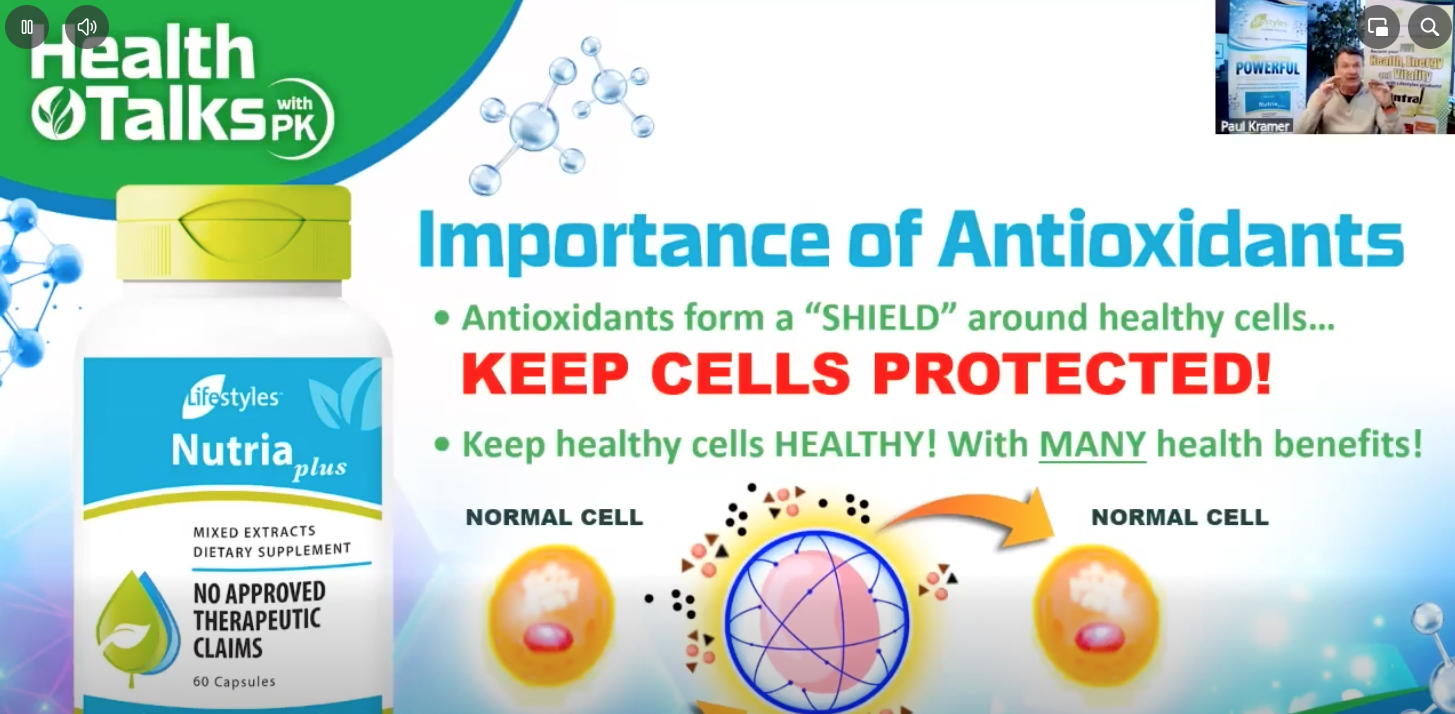
TIP. Increase your intake of antioxidants in your diet. Antioxidants may help with allergies symptoms. Try Intra + Nutria Plus together.

Antioxidants are substances that protect cells from free radical damage, thereby reducing oxidative stress, aging and the development of civilisation diseases. They neutralise unstable molecules in the body, thereby preventing cancer and other diseases. The most important include vitamins C and E, selenium, zinc, beta-carotene, polyphenols and astaxanthin.

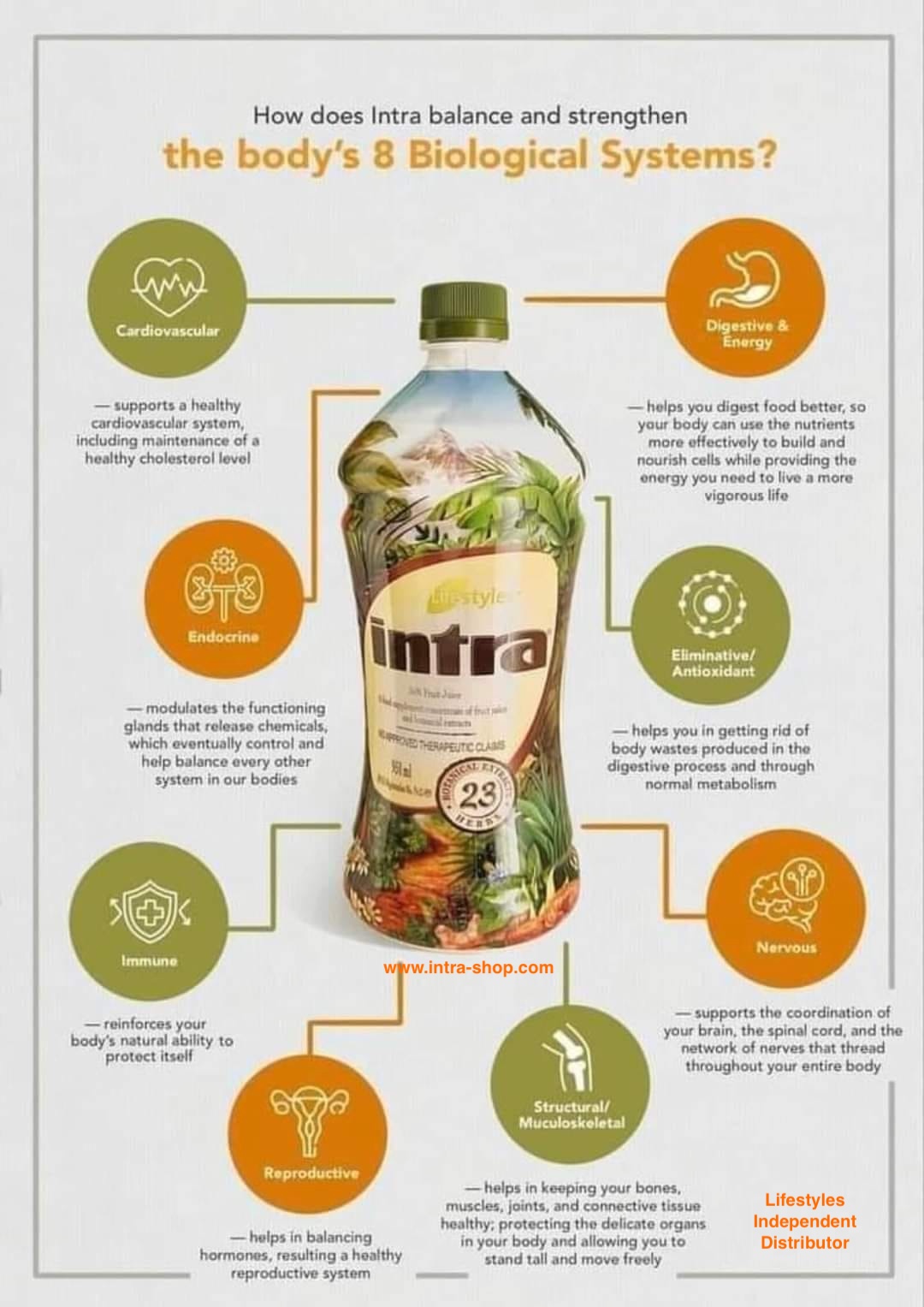
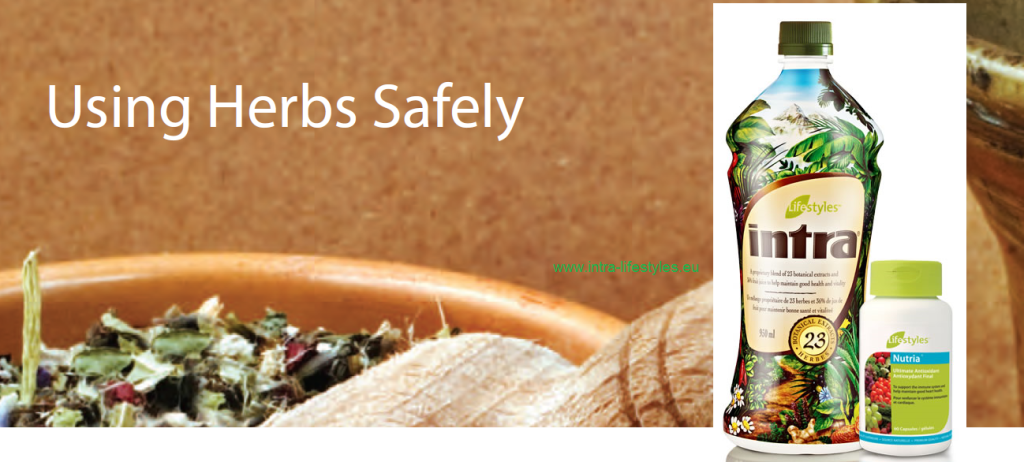
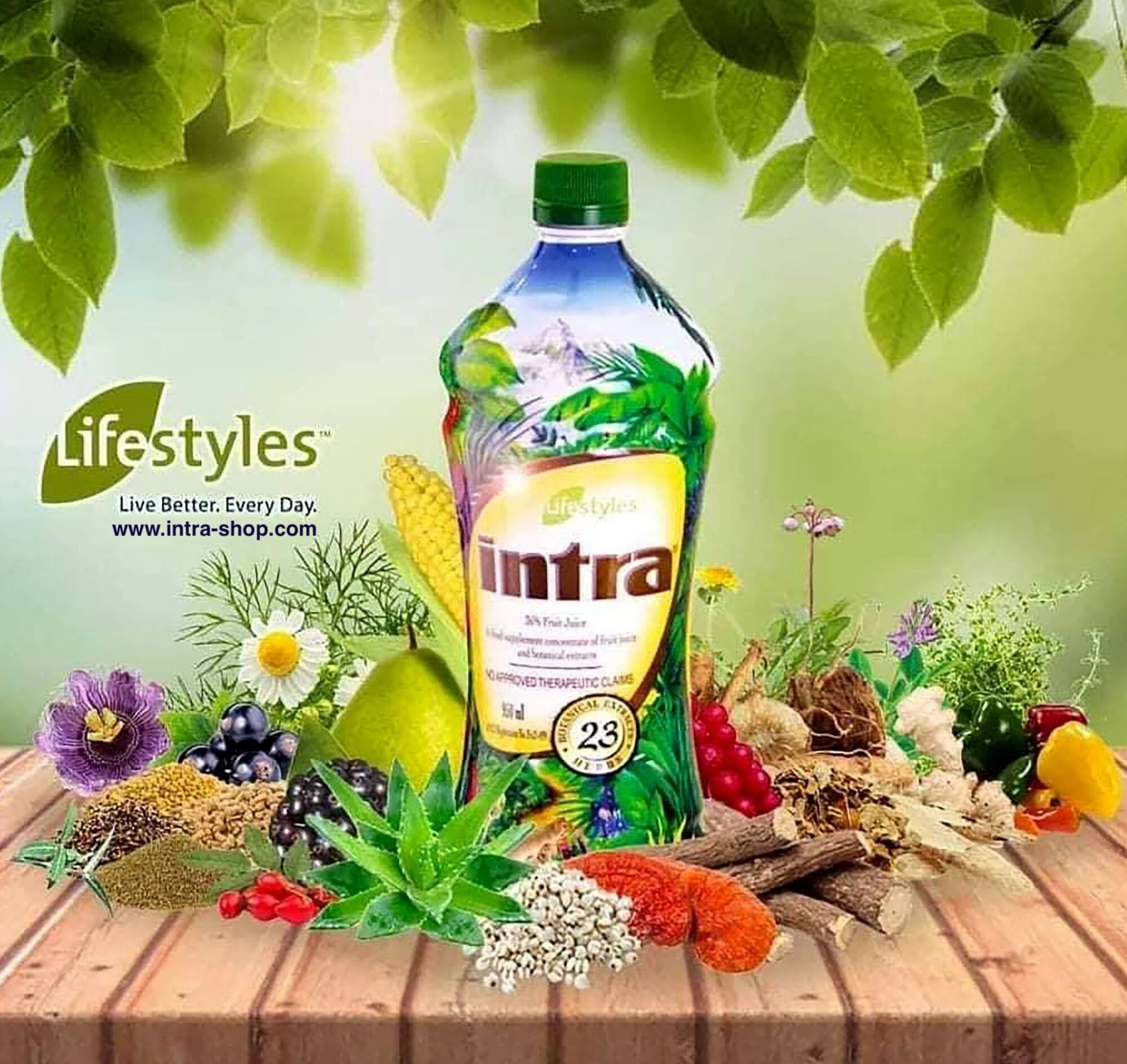
Intra contains herbs with antioxidant and immune-support properties. Intra is a food supplement, not a medicine. The idea behind Intra is synergy — the herbs are combined so they supposedly work better together than individually.

Intra supports:

Nervous system

Immune system

Digestive system

Cardiovascular health

Hormonal balance

What to do when you have an upset stomach?

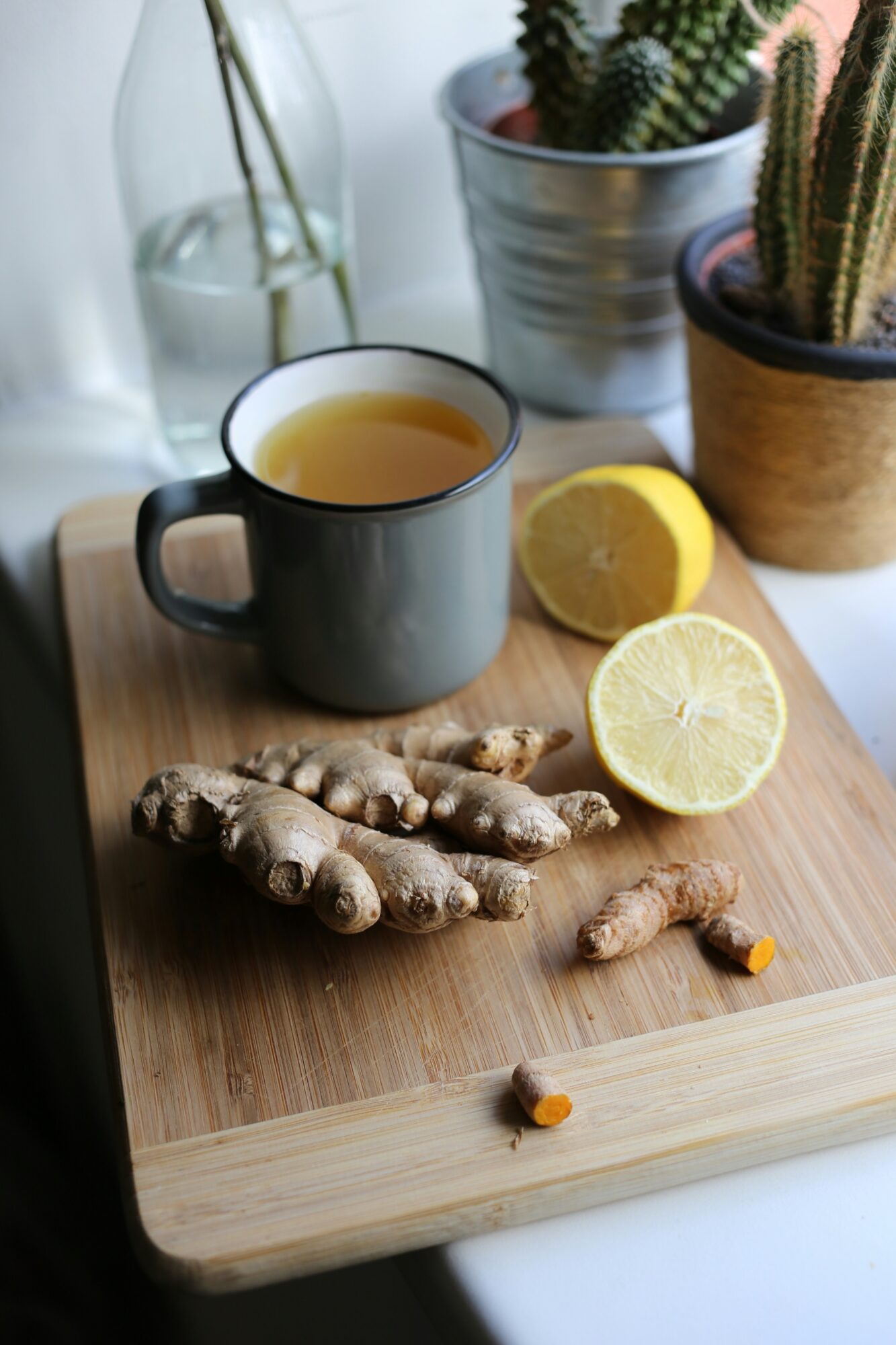
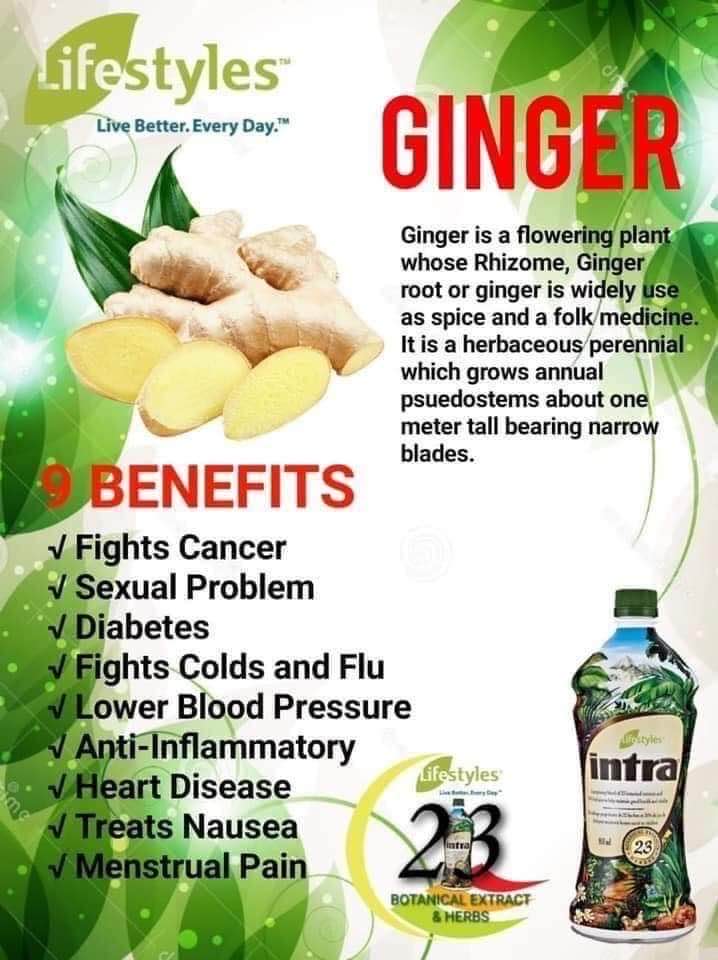
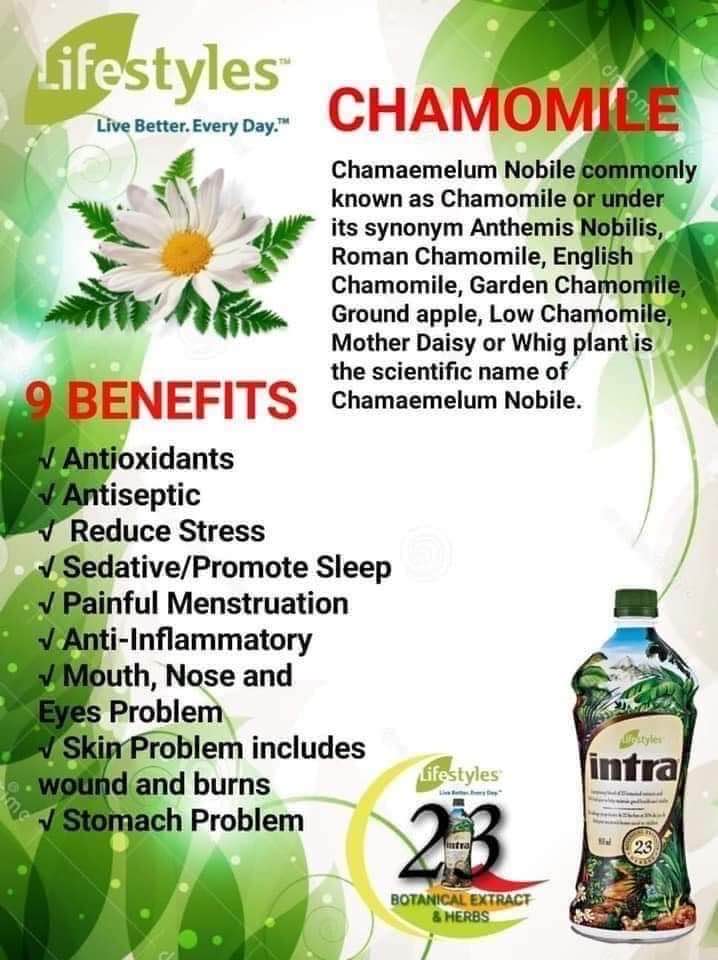
For stomach upset (feeling sick, pressure, fullness), try rest, ginger or chamomile tea, crackers, bananas, steamed carrots, apples, and cooked rice. If you’ve eaten something heavy, consider a short-term fast to help your stomach settle.

Limit fatty, spicy foods, coffee, and alcohol.

Eating smaller meals, chewing slowly, and not lying down after eating often helps. If symptoms persist for more than 3 days, see a doctor.

Causes:

• Infections: Stomach flu (gastroenteritis), food poisoning.

• Lifestyle: Stress, anxiety, excessive alcohol consumption, smoking.

• Diet: Food allergies or intolerances (lactose, gluten).

• Medical: Migraines, pregnancy, gastroesophageal reflux.

• Inner ear and cervical spine. Balance disorders (vestibular vertigo) or problems with the cervical spine.

First aid for upset stomach:

• Herbs: Chamomile, mint or ginger (tea, candies) help calm an upset stomach.

• Magnesium supplementation can help with dizziness.

• Diet: Eat crackers, bananas, boiled rice, stewed carrots or apples (so-called “gentle diet”).

• Drinking regimen: Drink unsweetened tea, water or non-carbonated mineral water in small sips.

• Exercise: Do not lie down after eating, but rather engage in moderate activity such as walking.

• Fresh air: Open a window, a cold compress on the forehead also helps.

When to see a doctor:

• Problems often recur.

• Dizziness lasts for a long time.

• Accompanied by severe headache, visual disturbances, tingling in the limbs or palpitations.

• Nausea lasts longer than 3 days.

• Accompanied by severe abdominal pain, fever or weight loss.

• You cannot keep down any fluids.

• Blood appears in the stool or vomit.

For informational purposes only. If you need medical advice or a diagnosis, please consult a specialist.

TIP. Try Intra Juice 23 Herbal Extracts. Ginger inside! Intra drink is suitable as a supportive rescue for stomach problems. If you are being treated, consult your doctor or pharmacist before using it.

Alcohol and upset stomach.

An upset stomach after alcohol is a result of irritation of the mucous membrane, hyperacidity and dehydration. Immediately start rehydration (water, mineral water), reach for crackers or broth and replenish minerals.

Ginger or chamomile tea will bring relief after alcohol, while black charcoal neutralizes acids.

• Avoid coffee and black tea (they irritate the stomach and increase dehydration), carbonated drinks, fatty and heavy foods. We recommend sleep and rest.

When to see a doctor:

If you experience severe abdominal pain, persistent vomiting, confusion, slow breathing or convulsions, it may be alcohol poisoning.

It has passed the test of time for safe use and effectiveness. Intra is a Great-Tasting, Fruit Juice-based Drink Suitable for All Ages.

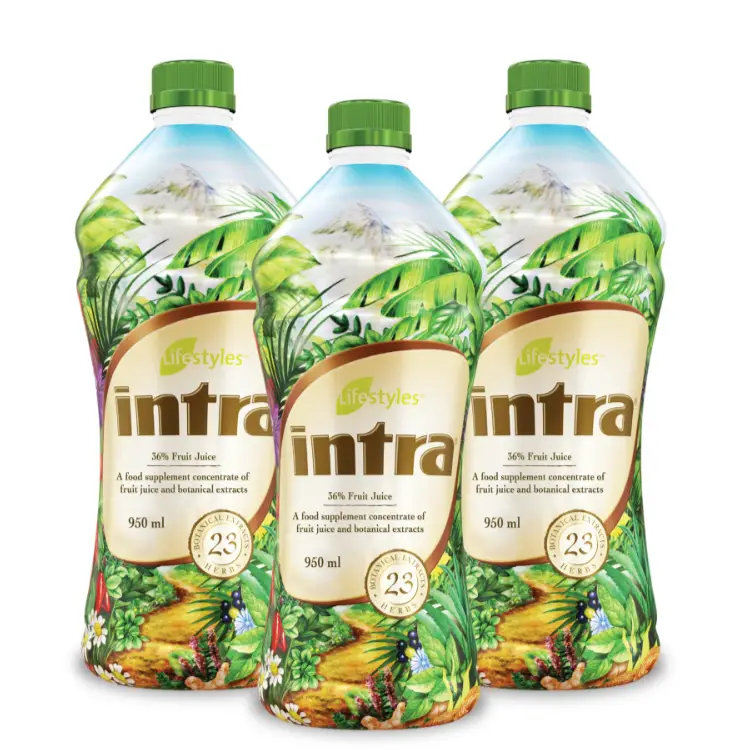
Intra juice content is a botanical juice containing 23 different herbal extracts.  

Join Us On Facebook. Join Us On X.com

Source: Wikipedia.com , Google.com, free pictures by unsplash, Lifestyles PH, Lifestyles GN Canada, Facebook,

Does Intra Juice Have Any Side Effects?

Consumers often wonder if Intra Juice or Intra Capsules has any side effects. In this article, we will explore the potential side effects of Intra Juice/Intra Capsules.

Yes, Intra Juice may cause side effects in some people, although there is no evidence and many of the claims come from clients who did not follow the instructions for use. No independent clinical studies have been conducted.

The manufacturer states that most users do not experience side effects and describes occasional reactions as a short “cleansing” period. 

There is also no FDA “approval” proving effectiveness, because Intra is a dietary supplement and supplements are regulated differently from medicines. 

Here’s the actual ingredient list commonly reported for Intra Intra Juice / Intra Herbal Juice, based on manufacturer and distributor sources.

Potential Side Effects of Intra Juice

1. Allergic Reactions.In rare cases, individuals may be allergic to certain ingredients present in Intra Juice, such as fruits or herbs. Symptoms may include itching, swelling, or difficulty breathing.

As a natural food supplement, Intra’s precise formula of 23 botanical extracts work better together to help balance and strengthen the body’s eight biological systems, leaving you feeling healthier, happier and more energy.

NOTE. The basic rule for the use of INTRA is regularity, drinking regime (sufficient fluid intake) and long-term use. Intra is a food product, and as such, a small minority of people may be allergic to one of the ingredients that make up the formula. As with any food product, if an allergy exists, the person should not continue to take Intra.

START WITH AN INITIAL DOSE BETWEEN 2ML-5ML TO RULE OUT ANY ALLERGIC REACTION, AND THEN SUBSEQUENTLY WORK UP TO A DOSE OF 10ML-15ML AFTER FEW WEEKS,  AND END UP TO 28 ML – 56ML.

Main botanical ingredients (23 herbal extracts)

The formula contains extracts from:

  1. Aloe vera
  2. Siberian ginseng
  3. Licorice root
  4. Astragalus root
  5. Reishi mushroom
  6. Chinese pearl barley
  7. Schisandra berry
  8. Rose hips
  9. Chicory root
  10. Dandelion root
  11. German chamomile
  12. Alfalfa
  13. Cascara bark
  14. Fenugreek seed
  15. Bee pollen
  16. Pipsissewa
  17. Juniper berry
  18. Ginger root
  19. Celery seed
  20. Sarsaparilla
  21. Passion flower
  22. Thyme
  23. Capsicum (pepper extract) 

Additional ingredients in the liquid version

The syrup/liquid product also reportedly contains:

  • pear juice concentrate
  • deionized water
  • high-fructose corn syrup (HFCS) in small amounts
  • cellulose gum
  • potassium sorbate (preservative)
  • tartaric acid 

Ingredients that may cause concern for some people

A few ingredients deserve extra caution:

  • Licorice root → may raise blood pressure or interact with medications.
  • Cascara bark → natural laxative; can cause diarrhea or cramping.
  • Bee pollen → possible allergic reactions.
  • Juniper berry → may affect kidneys or diuretics.
  • Fenugreek → may lower blood sugar.
  • HFCS and preservatives → some users prefer to avoid them

Intra is a pleasant tasting, proprietary formulation of 23 time-tested and trusted botanical extracts that provide the body with antioxidants, flavonoids, lignins, polysaccharides and other health enhancing nutrients specific to each herbal extract.

Potential Side Effects of Intra Juice

2. Gastrointestinal Discomfort.Some individuals may experience stomach upset, bloating after consuming Intra Juice. This can be attributed to the individual sensitivity.

NOTE: CONSUME WITH MAIN MEAL, START WITH AN INITIAL DOSE BETWEEN 2ML-5ML TO RULE OUT ANY ALLERGIC REACTION, AND THEN SUBSEQUENTLY WORK UP TO A DOSE OF 10ML-15ML AFTER FEW WEEKS,  AND END UP TO 28 ML – 56ML.

3. Interactions with Medications. Certain ingredients in Intra Juice may interact with medications, potentially altering they effectiveness or causing adverse reactions. It is advisable to consult a healthcare professional before consuming Intra Juice if you are taking any medications. NOTE: Start with a low dose and gradually increase.

4. Blood Pressure Variation.Intra Juice contains ingredients that may influence blood pressure. Individuals with pre-existing high or low blood pressure should monitor their levels closely when consuming Intra Juice.

Note: Consult your healthcare provider before use. START WITH AN INITIAL DOSE BETWEEN 2ML-5ML TO RULE OUT ANY ALLERGIC REACTION, AND THEN SUBSEQUENTLY WORK UP TO A DOSE OF 10ML-15ML AFTER FEW WEEKS,  AND END UP TO 28 ML – 56ML.

5. Blood Sugar Levels. Some ingredients in Intra Juice have a potential impact on blood sugar levels. Diabetic individuals should exercise caution and monitor their blood sugar levels regularly if consuming Intra Juice. Note: Consult your healthcare provider before use. Start with a low dose and gradually increase.

6. Vitamin Overload.Intra Juice contains vitamins and minerals, and excessive intake may lead to vitamin toxicity. It is important to follow the recommended dosage and avoid consuming excessive amount of Intra Juice along with other vitamin supplements. NOTE: Start with a low dose. START WITH AN INITIAL DOSE BETWEEN 2ML-5ML TO RULE OUT ANY ALLERGIC REACTION, AND THEN SUBSEQUENTLY WORK UP TO A DOSE OF 10ML-15ML AFTER FEW WEEKS,  AND END UP TO 28 ML – 56ML.

7. Pregnancy and Breastfeeding.Pregnant or breastfeeding women should consult their healthcare provider before consuming Intra Juice, as some ingredients may not be suitable during these phases. NOTE: Consult your healthcare provider before use.

8. Herbal Interactions. Intra Juice contains herbal ingredients that may interact with certain medications or pose a risk to individuals with specific medical conditions. Seeking professional advice is recommended, your doctor, or the retailer who sold you INTRA. Please read the instructions & F.A.Q before start usage.NOTE.Do not take other herbal supplements, except herbal teas, but always keep a 2-hour gap.

9. Kidney or Liver Impairment. Individuals with pre-existing kidney or liver conditions should exercise caution when consuming Intra Juice, as some ingredients may impact these organs’ functioning.

Note: Consult your healthcare provider before use.

10. Nutrient Absorption Interference. Intra Juice may interfere with the absorption of certain nutrients from food or other supplements. Spacing out the consumption of Intra Juice from other supplements or medications is advisable by a minimum of 2 hours.

Warning:
This is not a medicinal product.
This food supplement does not replace a varied and balanced diet.
Do not exceed the recommended daily dosage.
Keep out of reach of children.
Not suitable for children under 3 years of age, pregnant women with high-risk pregnancies (always consult your doctor). If you are under medical treatment, consult your doctor or pharmacist before use.

FDA’s Approval Process and Regulation

The Food and Drug Administration (FDA) in the United States is responsible for regulating dietary supplements such as Intra Juice. However, it is important to note that FDA approval is not required for dietary supplements before they enter the market. The FDA only steps in if safety concerns arise or if false claims are made regarding a product’s effectiveness.

Manufacturers of dietary supplements, including Intra Juice, are responsible for ensuring the safety of their products and complying with FDA regulations. This self-regulation places the burden on manufacturers to provide accurate product information and adhere to good manufacturing practices.

The FDA conducts regular inspections of dietary supplement manufacturing facilities to ensure compliance with current Good Manufacturing Practices (cGMPs). This helps maintain product quality and minimise the risk of contamination or adulteration.

Frequently Asked Questions

1. Is Intra Juice available worldwide?

Intra Juice is available in multiple countries around the world, including the United States, Canada, United Kingdom, European Union, The UAE, Israel, The Philippines, Hong Kong, Singapore, Malaysia, Malta, Poland & Czechia.

2. What is the approximate cost of Intra Juice in different countries?

The cost of Intra Juice varies in different countries. As of February 2025, in the United States, a 32-ounce bottle of Intra Juice costs around $35. In the United Kingdom, the same bottle costs about £26, while in Singapore, it is priced at approximately SGD $87. Prices in Europe and UAE may also vary.

3. Are there any age restrictions for consuming Intra Juice?

ntra Juice is generally safe for adults. However, parents should consult with their doctor before giving it to children under three (3) years of age. For children 3 to 12 years of age, doses between 1/4 and 1 ounce are recommended.

References:

Food and Drug Administration (FDA) – www.fda.gov, Lifestyles Independent Distributors, 2. uk.feau.com, Lifestyles GN, Paul Kramer Lifestyles Canada, Google, Facebook 

Intra Juice Negative Reviews? Beware of FAKE INTRA juice!!! Purchase Intra Juice from a Trusted and Licensed Distributor only.

Prevention is cheaper than cure.

As health-conscious individuals strive to maintain a balanced diet, dietary supplements have gained popularity due to their potential benefits. Intra Juice, a widely marketed health drink, claims to provide numerous health benefits. However, consumers often wonder if it has any side effects. In this article, we will explore the potential side effects of Intra Juice and delve into the FDA’s approval process.

NOTE: Intra Herbal Juice has been manufactured in Canada since 1992. It is manufactured by Toronto-based Canadian company Lifestyles GN. Beware of fakes!

The Strong Immune system

Strong immunity is key to fighting infections and is achieved through a combination of a healthy diet (vitamins C, D, E, zinc, a variety of vegetables, fruits, nuts), enough sleep, regular exercise in the fresh air, hydration, stress management and care for the gut microbiome. Natural supplements such as echinacea, ginger, turmeric, garlic or herbal teas are also important, but always in accordance with a balanced lifestyle.

Healthy tips to strengthen your immune system

Nowadays, when, among other pitfalls, we have to responsibly approach various regulations, we should really be aware of one fact that we talk about in our posts, webinars. By this we mean the fact that there is only one difference between those who will get through the disease “without losing a flower”, that is, those who are prepared, and those who will have to be treated because their immune system was not strong enough, prepared and the body’s defences failed. We are talking about an immune system that needs to be strengthened, stimulated, built. Our immune system is waging a systematic war against these invaders that is more exciting than any movie thriller or television report.

Hygiene: Frequent hand washing, covering your mouth when coughing/sneezing.

Eat a healthy diet high, whole grain products.Read more about intestinal microflora.

Exercise regularly. Regular moderate activity (in the fresh air) strengthens immunity.

Maintain a healthy weight.Drink plenty of water. Limit refined sugars and processed foods.

If you drink alcohol, drink only in moderation.

Get adequate sleep. 7-9 hours a day, crucial for the regeneration of immune cells.

Take steps to avoid infection, such as washing your hands frequently and cooking meats thoroughly.

Don’t forget the helpers – food supplements, that the Lifestyles company offers you.

Try to minimise stress. Try Hardening: Can improve immunity and resilience.

Those who had regular sex ( with a loved one) twice a week, were found to have higher levels of immunoglobulin A (IgA) in their saliva. (IgA is one of the five major classes of human antibodies, which is widely released on the mucosal surface and plays an important role in protection against microorganisms.

The goal is harmony, not “switching” the immune system to higher performance, which can lead to autoimmune reactions.

In one study, 112 Canadian soldiers living in the same extreme conditions were given 1 gram of vitamin C daily. The number of colds decreased by 68% compared to the control group, which did not receive vitamin C.

Two-time Nobel Prize winner Linus Pauling calculated that the diet of prehistoric man contained about 40 times more vitamin C than our diet today. That’s more than 3 grams of vitamin C a day.

Aspirin used in colds increases the excretion of vitamin C from the body tenfold.

Refined sugar paralyzes white blood cells, so it destroys them, so white blood cells lose their mobility and their functionality.

No wonder infection can easily overwhelm us today. Don’t forget the helpers – food supplements, that the Lifestyles company offers you.

Healthy tips to strengthen your immune system

  1. Hygiene: Frequent hand washing, covering your mouth when coughing/sneezing.
  2. Eat a diet high in fruits and vegetables.Whole grain products, legumes, apples, onions, garlic.
  3. Exercise regularly. Regular moderate activity (in the fresh air) strengthens immunity.
  4. Maintain a healthy weight.Drink plenty of water. Limit refined sugars and processed foods.
  5. If you drink alcohol, drink only in moderation.
  6. Get adequate sleep. 7-9 hours a day, crucial for the regeneration of immune cells.
  7. Take steps to avoid infection, such as washing your hands frequently and cooking meats thoroughly.
  8. Don’t forget the helpers – food supplements, that the Lifestyles company offers you.
  9. Try to minimise stress. Try Hardening: Can improve immunity and resilience.
  10. Those who had regular sex ( with a loved one) twice a week, were found to have higher levels of immunoglobulin A (IgA) in their saliva. (IgA is one of the five major classes of human antibodies, which is widely released on the mucosal surface and plays an important role in protection against microorganisms.
  11. The goal is harmony, not “switching” the immune system to higher performance, which can lead to autoimmune reactions.
  12. Don’t smoke.

Bacteria and viruses multiply explosively. Thus, from a few individuals, a huge number of millions of pathogens can be present within a few hours. Therefore, at the moment of attack, our body begins to explosively produce millions of immune cells.

However, for this, the immune cell factory needs building materials:

A/ Proteins. If there are few of them, he pulls them out of the muscles and our muscles lose weight (which weakens us). Protein consumption increases by up to 30%. Plant proteins (eg legumes) are ideal because animals multiply the work of the immune system and thus overload it at a critical moment. Complete proteins contain all 20 amino acids. Eight of these amino acids are called “essential amino acids”, which the organism cannot produce on its own, and it is therefore really important to supplement them regularly!

B/B vitamins to control the construction of immune cells. In the absence of vitamin B, the immune system does not produce sufficient striking power (there will not be enough lymphocytes and macrophages).

C/ Vitamin C. We also need a sufficient supply of vitamin C to “fill” new white blood cells with it.

D/ The immune cell factory also needs selenium (increases lymphocyte stimulation, NK-cell activity, and increases the production of interferon, which stimulates defense) and zinc, which is necessary for DNA synthesis.

E/Plus needs vitamin E, which together with vitamin C “armors” cells against free radicals. So what to do in case of infections? Read the next chapter.

Source: Google.com, Twitter.com, Facebook.com,

Do You like to KEEP YOUR IMMUNE SYSTEM HEALTHY?

Watch the special presentation and product training with Senior VP Paul Kramer and learn all about Intra and your health! Get tips and advice on how to keep your Immune System healthy! Watch the Intra video.
KEEP YOUR IMMUNE SYSTEM HEALTHY!

Basics of strong immunity
Diet: A varied diet full of fruits (citrus, kiwi, rose hips, sea buckthorn, chokeberry), vegetables (peppers, broccoli, kale), nuts, seeds; plenty of vitamins C, D, E and zinc.
Sleep: Quality and sufficient sleep is essential.
Exercise: Regular activity, ideally in nature (walks, fresh air).
Hydration: Plenty of water and herbal teas (rose hips, ginger, echinacea).
Stress: Stress relief and building psychological well-being.
Gut: Caring for the intestinal microbiome. 
Supplements and herbs
Vitamins and minerals: C, D3, K2, zinc.
Herbs: Echinacea (coneflower), ginger, turmeric, goat's rue, reishi, l-lysine.
Teas: Rose hips, sea buckthorn, chokeberry, echinacea, rosemary. 
When to Consider a Doctor
If you have recurring infections, chronic problems, skin problems (eczema, cold sores) or significant fatigue, it is advisable to consult a doctor about your health condition.

Source Video & Pictures: Lifestyles Asia Pacific Phils, Lifestyles, Lifestyles Global Network Head Office, Lifestyles Independent Distributors, Pexels, Unspash, Google, Facebook, X, pbc.lifestyles.net, National Cancer Institute, Google.com, Facebook.com, FreePictures, Lifestyles Independent Distributors

Intra Herbal Juice Content

Intra juice content is a botanical juice containing 23 different herbal extracts.  

Each batch of Intra Juice is subjected to a rigorous set of quality control tests to ensure the quality of the finished product meets or exceeds the standards of Food GMP (Good Manufacturing Practice) Regulations. The Intra factory is ‚Hazardous Analysis and Critical Control Point‘ (HACCP) certified.  HACCP is a state-of-the-art approach to food safety recognized and supported by regulatory agencies around the world, including the U.S. FDA and the Canadian Food Inspection Agency.

intraeu
LS_SHOP btn

23 Herbal Natural Botanicals Extracts 

allnaturalbotan1
all-natural-btanicals1

Intra 23 herbal extracts

Live Better Every Day – click here and see the content. 

HerbActive IngredientsAction in BodyFocus of Current Research/Traditional Use
AlfalfaSaponin GlycosidesA mild diuretic, tonicHigh cholesterol, Menopause, Poor appetite, Arthritis, Diabetes
Aloe VeraAnthraquinone Glycosides, PolysaccharidesGeneral tonic, Detoxifier, Immune functionChrone’s disease, Diabetes, Peptic ulcers, Psoriasis,
Wound healing, Immune support
AstragalusFlavonoids, polysaccharides, Triterpene glycosidesImmune function, Tonic, Antiviral, AntioxidantCommon cold/infection, Immune support, Diabetes, AIDS, Hepatitis, Heart attack
Bee PollenVitamins, MineralsAnti-infection, Anti-allergic, Liver support, Provides energyCancer risk reduction, Rheumatoid Arthritis, Hay Fever
CapsicumCapsaicinCirculatory stimulant, Tonic,
Anti-inflammatory, Analgesic
Diabetes, Arthritis, Psoriasis
Cascara BarkCascarosidesA mild laxative, TonicConstipation
Celery SeedGlycosides FlavonoidsDigestive aid, Muscle relaxant, Anti-inflammatoryArthritis, Gout, Bronchitis, Blood pressure
Chicory
Root
Inulin, Coumarin GlycosidesTonic, Digestive aidDigestive problems, Liver/gallbladder ailments
Chinese Pearl BarleyCoixol, CoixansAntioxidant, Anti-inflammatory, TonicPainful joints, Rheumatism, Swelling
Dandelion
Root
Triterpenes, Phenolic compounds, CarotenoidsTonic, Mild diuretic, Liver support,
Blood purifier
Constipation, Gallstones, Indigestion, Heartburn
FenugreekSaponins, FlavonoidsDigestive aid, Tonic, Expectorant, AntioxidantDiabetes, High triglycerides, constipation Atherosclerosis, Arthritis, Bronchitis, High cholesterol
German
Chamomile
Flavonoids, Volatile oilsAnti-inflammatory, Mild sedative, Tonic, AntioxidantColic, Eczema, Gingivitis (periodontal disease),
Wound healing, Irritable bowel syndrome
Ginger RootVolatile oils, GingerolsDigestive aid, Anti-inflammatory,
Anti-nausea, Detoxicant
Nausea, Indigestion, Atherosclerosis,
Migraine headache, Rheumatoid arthritis
Juniper BerryVolatile Oils, Flavonoids,
Sterols, Catechins
 a Mild diuretic, Anti-inflammatory,
Antioxidant, Digestive aid
Edema (water retention), Indigestion, Kidney and bladder inflection, Gout, Cancer protection, Blood pressure
Licorice RootFlavonoidsAntioxidant, Detoxicant, ExpectorantAsthma, Chronic fatigue, Bronchitis, HIV support
Passion FlowerFlavonoids, Volatile oilsAnti-anxiety, AntioxidantAnxiety, Insomnia, Pain
PipsissewaHydroquinones, FlavonoidsTonic, Astringent, Kidney support, AntioxidantInflammation, Urinary tract infection
Reishi
Mushroom
Sterols, Coumarin, PolysaccharidesImmune functionBlood pressure, High cholesterol, Immune support, Cardiovascular disease
Rose HipFlavanoids, VitaminsAstringent, Diuretic, TonicBlood purifier, Infections
SarsaparillaSaponinsAnti-inflammatory, Tonic, Detoxicant,
Liver protectant
Psoriasis, Rheumatoid arthritis, Gout
Schisandra
Berry
LignansImmune function, Liver support, Activation of antioxidant enzymes, Tonic, AntioxidantCommon cold/sore throat, Fatigue, Hepatitis, Infection,
Liver support, Stress
Siberian
Ginseng
Eleutherosides, PolysaccharidesImmune function, Energy, AdaptogenFatigue, Common cold, Fybromyalgia, Infection, Diabetes
ThymeVolatiles Oils, FlavonoidsAnti-tussive, Expectorant, AntioxidantBronchitis, Cough, Indigestion

Source: Paul Kramer, RND, Lifestyles PBC

Discover the content of Intra Herbal 23 botanical extracts

The list of herbs:

Aloe vera gel (Aloe barbadenis)

Siberian ginseng extract (Eleutherococcus senticosus)

Licorice root extract (Glycyrrhiza species)

Astragalus root extract (Astragalus membranaceus)

Reishi mushroom extract (Ganoderma lucidum)

Chinese pearl barley extract (Coix lacryma-jobi)

Schisandra berry extract (Schisandra chinenis)

Rosehip extract (Rosa species)

Chicory root extract (Cichorium intybus)

Dandelion root extract (Taraxacum officinale)

German chamomile extract (Chamomilla recutita)

Alfalfa herb extract (Medicago sativa)

Cascara bark extract (Rhamnus purshiana)

Fenugreek seed extract (Trigonella doenum-graecum)

Bee pollen (Apis Pollenus)

Pipsissewa extract (Chimaphila umbellata)

Juniper berry extract (Juniperus communis)

Ginger root extract (Zingiber officinale)

Celery seed extract (Apium graveolens)

Sarsaparilla extract (Smilax species)

Passionflower extract (Passiflora incarnata)

Thyme extract (Thymus vulgarius)

Capsicum fruit extract (Capsicum species)

DISCLAIMER: NO APPROVE THERAPEUTIC CLAIMS PRODUCT RESULTS.

pdf

CLICK here to view INTRA 23 Ingredients

Constipation. How to relieve constipation? How to restore intestinal microflora?

The Question: What is constipation?

The term constipation usually refers to difficult emptying of hard stools, which is accompanied by unpleasant sensations. It is an extremely common disease and about 30% of the adult population suffers from it.

We have three types of constipation: atonic constipation, spastic constipation (psychogenic), and complete bowel obstruction (you need to get to the hospital immediately).

The Question: The stool must be every day? 

A large majority of the population is convinced that the stool must be every day. Daily emptying (defecation) is not absolutely necessary, nor is it an indicator of correct or incorrect bowel function.  Immunity and microflora are inextricably linked, as up to 70% of immune cells reside in the gut, and a healthy gut microflora (microbiome) “trains” the immune system, teaching it to distinguish between harmless and harmful substances, thereby protecting against infections, allergies and autoimmune diseases. Microbiome disorders (dysbiosis) lead to weakened immunity, inflammation and other health problems, which is why a varied diet rich in fiber, fermented foods, probiotics, prebiotics and minimizing stress are key.

The decisive factor is the regularity of defecation and the fact that it is a painless process.

 Tip 1. Drink enough WATER

If You like prevent constipation, drink enough water during day. You need to establish an adequate drinking regime. The Water is very important to our bodies. Our bodies are made up of 70% to 80% of water. There are many diseases you can prevent, if you drink enough water, around 4 to 6 glasses of water in a day. If you feel thirsty, drink.

Tip 2. Move. Do the exercises against constipation. Exercises can be performed when the patient is able to move. There is also a light abdominal massage, but carefully.You can also start practicing bandhas (yoga). A prerequisite for practicing bandhas is the regular and long-term practice of breathing techniques.

Tip 3. Restore the defecation reflex.

Tip 4. Change The Diet. Ensure adequate fiber, fluids, fat, and carbohydrates for atonic constipation or spastic constipation (psychogenic reasons). Start The Day with the porridge with milk, butter, cinnamon. It is easy to cook. Start with a small amount of flakes, follow a drinking regimen. You can add a banana.

Soak the flakes in water in the evening, pour water over them, cook for 2 minutes in the morning until the desired porridge consistency, add milk, sprinkle with cinnamon sugar, and add a piece of butter.

The Question

I am Taking antibiotics. I‘m constipated, is that bad?

How to restore intestinal microflora, when taking antibiotics?

Answer To The Question:

Addictive constipation is caused by the suppression of the defecation reflex.

This reflex is first extinguished by a lack of natural stimuli: a low-volume diet, a lack of fiber and fluids, little exercise. The second cause is the suppression of the spontaneous urge to defecate in a hurry). Never suppress a bowel movement! 

Defecation reflex training

Practicing the defecation reflex is also important: the patient drinks a glass of water (saline mineral water) after waking up. He performs the usual morning activities in the same order every day and the morning ritual ends with breakfast. Defecation is attempted every 20-30 minutes, regardless of whether a spontaneous compulsion has occurred. This needs to be done with iron regularity daily for several weeks. Most of the time, success comes soon.

Stool is a need, not a leisure activity. …

Try flaxseed!  Be careful you have to crush it first! 

Try Probiotics and magnesium bisglycinate.

Add more Fiber. 

Where to find fiber?

In addition to normal food, which should contain enough whole grain products (black bread and pastries, oatmeal), fruits and vegetables, you can add 10-25 g of linseed, wheat germ or bran. All this, of course, provided that there is sufficient supply of fluids. Sufficient exercise is also important, abdominal massages can also help.

If you are already taking Intra add Fiber Life. Beware, if you are starting with Fiber Life, drink a lot of liquid and start with one capsule a day between meals! Read more…

How microflora affects immunity?
-Immunity trainer: Bacteria in the gut teach immune cells to recognise pathogens and respond to them without overreacting to harmless substances.
-Protective barrier: Forms a physical and chemical barrier against pathogens entering the body.
-Inflammation regulation: Helps maintain balance and prevents chronic inflammation and autoimmune reactions
Substance production: Produces antimicrobial substances and helps with digestion.

What harms the microbiome (and immunity)?
-Unbalanced diet, low in fiber.
-Taking antibiotics (frequently).
-Stress.

How to care for the microflora?
-Diet: Eat lots of vegetables, fruits, whole grains, legumes (fiber).
-Fermented foods: Kefir, yogurt...
-Probiotics: Dietary supplements with live cultures (ideally in combination with prebiotics).
-Lifestyle: Get enough sleep, exercise, reduce stress.
A healthy microbiome is the basis of strong immunity, which protects us from diseases and contributes to overall health.
Tip. Start The Day with the porridge with milk, butter, cinnamon...

Source: National Cancer Institute, Google.com, Facebook.com, FreePictures, Lifestyles Independent Distributors

Insomnia

Without quality sleep, the body cannot rest properly, which results in reduced attention, fatigue, and impaired thinking. If sleep problems occur more frequently, a person is at risk of developing or worsening mental illnesses.

Basic advice for better sleep/Ways to Fall Asleep the Fastest

Go to bed at the same time whenever possible.

Lie down only when you are tired.

If possible, do not read in bed, avoid distractions from your smartphone, and under no circumstances work in bed.

Do not eat in bed. Digestion interferes with falling asleep smoothly.

Do not deal with anything serious in the evening. Leave that for daytime.

Try to talk about something pleasant instead, and choose simple topics.

Tidy up the bedroom, remove if possible the ticking alarm clock, TV, clutter, or anything that reminds you of unfinished work.

Ventilate before sleeping. You can also get fresh air on an evening walk – try to push yourself and take a 10–15 minute walk about an hour before bed. You will get just enough tired to fall asleep more easily.

Do not smoke or drink alcohol before bed.

Although a few beers may help you fall asleep, the sleep will be of lower quality and you will not wake up feeling rested.

Avoid daytime naps. If we have trouble falling asleep, we can try a simple activity and then return to bed and attempt to sleep again.

A person should sleep approximately 7 to 8.5 hours a day, while three-year-old children need about 12 hours. However, this duration is individual and changes throughout life. Some people need only five hours of sleep for full recovery, while others need more time. Sleep, however, must not only be sufficiently long but also deep enough and uninterrupted. Therefore, the quality of sleep is important. Sleep disorders can arise as a result of other illnesses, but they are also often caused by poor lifestyle and bad sleep habits. It is not always possible to determine the exact cause of sleep disorders.

The causes of insomnia can be stress and long-term psychological problems, worries, but also fatigue or poor lifestyle habits. Difficulty falling asleep can also be caused by strong tea, coffee, or alcohol in the evening hours. However, sleep problems can also signal the onset of serious illnesses (multiple sclerosis, Parkinson’s disease, or sleep apnea). Moreover, with increasing age, the level of the hormone melatonin in the human body decreases. This is a hormone produced at night by the pineal gland in the brain, which acts as a timer for biological rhythms. Among other things, it induces the onset of sleep.

Symptoms of Insomnia

Sleep disorders are divided into insomnia, increased sleepiness (hypersomnia), and other sleep disorders, such as nightmares (night terrors), sleepwalking, sleep apnea syndrome, or restless legs syndrome.Insomnia is a serious condition that affects about 10 to 15 percent of people. It manifests as difficulty falling asleep (taking longer than half an hour to fall asleep), frequent awakenings, waking up earlier than planned. Poor quality sleep at night then causes fatigue during the day, concentration problems, irritability and tension, loss of energy and susceptibility to mistakes, daytime sleepiness, and more.

Increased sleepiness manifests as excessive daytime sleepiness (a person sleeps more than 12 hours a day) and an inability to control falling asleep during the day. These problems affect approximately 5 percent of people.
Sleep apnea syndrome is one of the most serious sleep disorders. It occurs when a person’s breathing is interrupted for more than 10 seconds during sleep (apnea) or breathing is restricted for more than 10 seconds (hypopnea). In addition to apnea and hypopnea, symptoms include loud snoring, restless sleep without feeling refreshed, morning headaches, and microsleeps (short episodes of sleep) during the day. Interrupted or restricted breathing during sleep causes reduced blood flow to the brain.
Short-term sleep deprivation and poor-quality sleep can lead to fatigue, irritability, poor concentration, and as a result, problems at work (or at school) and accidents. Chronic insomnia can trigger the development of serious heart, metabolic (diabetes), or brain diseases, including Alzheimer’s disease. It may result in anxiety disorders and depression.

Treatment

For the treatment of insomnia, the first and foremost step is to adhere to proper sleep hygiene (see below). In cases of acute insomnia, for example due to stress, a doctor may prescribe medications known as hypnotics. Long-term insomnia, lasting months to years, is not suitable for treatment with these drugs, as even newer medications are not completely free of unwanted side effects.A specialist may also newly prescribe so-called melatonin hypnotics. Melatonin is a hormone that induces natural sleep, which provides the body with essential rest. However, careful consideration is needed when using the medication, because insomnia can sometimes be caused by other as-yet undiagnosed conditions that need to be treated. Therefore, the treatment of insomnia is different for each individual, and an improperly chosen treatment method could even harm the body.

Psychotherapy, acupuncture, or physical therapy (treatment with bright light, magnetotherapy) can also help relieve sleep problems. If insomnia is a symptom of other diseases or issues, the underlying condition is treated.

Medications

It is possible to administer medications from the so-called hypnotic group (both non-benzodiazepine and benzodiazepine), and if anxiety is part of the problem, anxiolytics (soothing medications to reduce anxiety) are given. Circadian rhythm disorders (disruption of the sleep-wake cycle) are treated with melatonin, a hormone naturally produced in the human body that normally induces sleep.

Herbs

Sleep induction can be aided by teas or tea blends containing lemon balm, valerian, or hops. Drops or tablets with these herbs are also available.

Homeopathy

Cocculus indicus is suitable for insomnia caused by physical and mental exhaustion.
Stramonium is the main homeopathic remedy for insomnia caused by nightmares.
Nux vomica is the remedy for managers. They fall asleep in the evening but wake up during the night and cannot fall back asleep. They wake up around 3–4 a.m. with an active mind and only manage to sleep again in the early morning. Upon waking, they feel tired, reluctant to get up, and very irritable.


Home treatment and self-help
When treating insomnia, practicing sleep hygiene is important.

The method used by American soldiers

Most of us have surely experienced lying in bed for hours without being able to fall asleep. Stress, a hectic lifestyle, or an uncomfortable environment can prevent restful sleep. American soldiers, for example, could tell stories about this. Due to the nature of military service and the environment, it is difficult for many members to fall asleep, which is why a method was developed that offers an effective solution. The method used by American soldiers, known as the “2-Minute Sleep Technique,” allows soldiers to fall asleep almost immediately, even in the most demanding conditions.

Step by Step: How to Do It?

Start by lying down comfortably. Relax all the muscles in your body, beginning with your face. Relax your forehead, cheeks, jaw, and tongue. Let all tension leave your face. Move on to your shoulders and slowly let them drop down. Next, relax your hands and fingers. Just let them rest beside your body. Also, relax your chest and abdomen. With each exhale, imagine the tension in your body dissolving. Then relax your thighs, knees, and calves. Finally, focus on your feet and toes. According to a 2017 study, this relaxing process helps release tension and stress that prevent peaceful sleep.

But also focus on your breathing. Breathe slowly and deeply, because slow and deep breathing, according to a 2019 study, also releases tension in the body and relieves stress. Inhale through your nose and exhale through your mouth. Try to focus only on your breathing and ignore all the thoughts that come to mind. If something distracts you, return to your breathing.If you still can’t fall asleep, imagine calming scenarios. For example, picture yourself lying in a quiet boat on a lake. All around you is silence and tranquility. Or simply choose a place where you feel best and are alone. Imagining these calming scenarios, according to a 2023 study, soothes the mind and helps achieve relaxation.

If various thoughts keep running through your mind, try to stop them. Say ‘no’ or ‘stop’ to yourself and focus on calm. Create a mental space where no worries, stress, or obligations exist.The whole process takes a total of 120 seconds, but the last 10 seconds are enough for you to finally fall asleep.

TIPS. Just like with any skill, the more you practice the technique of falling asleep, the easier it will be for you to use it. Try to use this method every evening as part of your sleep ritual.Maintain a calm environment. Creating a pleasant and peaceful environment is crucial for the success of this technique. Use curtains or blackout blinds to prevent disruptive light from entering the room. Keep the room at a comfortable temperature, ideally between 18 and 22 degrees Celsius. Consider using earplugs or white noise to mask unwanted sounds.Set a routine. Go to bed and wake up at the same time every day. This will help regulate your internal biological clock. Before sleeping, engage in activities that calm you, such as reading, listening to music, or meditating. Avoid stimulating activities, such as watching action movies or working on the computer.

Limit stimulants. Caffeine and nicotine negatively affect your sleep. Try to avoid these stimulants for at least a few hours before bedtime. This also applies to alcohol, which may help you fall asleep faster but disrupts the quality of your sleep.Be patient. Don’t expect the technique to become effective overnight. Every person is different, and some people may take longer to get used to new methods. If you cannot fall asleep immediately, don’t despair. Continue practicing and observe how your ability to fall asleep improves day by day.

Insomnia, frequent awakenings, nervousness, this could be covid or post-covid syndrome? Limit or completely stop the intake of sugar in food, we mean sweets. Increase your intake of whole grain rye flour.

Symptoms of covid

Every person is unique, which is why Covid can manifest itself differently in the infected person. It also depends on the course of the disease. For the most part, the symptoms of Covid-19 are similar to a common flu infection.Approximately 20% of people infected with the coronavirus do not experience any symptoms, but these people can still be infectious and spread the infection to their surroundings. According to current knowledge, up to 59% of these transmissions can be from asymptomatic individuals. For this reason, it is necessary to carry out regular testing and then follow the prescribed isolation.

The most common symptoms of Covid are:

Temperature 37.3°C and above

Cough

Fatigue

Difficulty breathing

Pain in the neck, head, back, muscles or joints

Loss of taste or smell

Different types of skin rash (electrified skin)

Skin color changes on the fingers or toes (‘covid toes’)

Diarrhea.

Nausea or vomiting.

Please, let your doctor know as soon as COVID symptoms start so they can advise and monitor you. It is important to get tested if you have any COVID symptoms. Symptoms of the omicron variant disease

Omikron usually attacks much more of the upper respiratory tract, so it does not result in severe pneumonia and associated breathing problems. The other symptoms are very similar to the previous variants, although they are usually milder. The president of the South African Medical Association, Angelique Coetzee, in an interview with Reuters, said that the omicron mutation is most often manifested:

Extreme fatigue (1 to 2 days), headaches, and a dry cough. Quite often, however, there is also an asymptomatic course of the disease.

Symptoms of a more serious course of covid

Shortness of breath – a person experiences significant breathing problems. He is short of breath during normal activities, even when moving around the house or going to the toilet. A feeling of suffocation may also occur.

Loss of appetite

Confusion

Persistent chest pain or pressure

High temperature – above 38 °C

Young sick and ill man in bed holding tissue cleaning snotty nose having temperature feeling bad infected by winter grippe virus in flu and influenza health care concept.

Other less common symptoms of covid:

Irritability Confusion Decreased level of consciousness – may be associated with seizures Anxiety

Depression

Sleep Disorders

More serious neurological complications – stroke, encephalitis, delirium and nerve damage The mentioned difficulties are certainly not worth underestimating. If you experience any of the above symptoms of covid-19 (or a combination of several symptoms), contact your general practitioner by phone, who will inform you of the next course of action.

According to the World Health Organization (WHO), most patients with covid-19 recover relatively easily without the need for hospitalization. In such a case, the general practitioner prescribes individual supportive treatment, during which you should observe isolation, bed rest and have a sufficient supply of fluids. Approximately 15% of those infected face a moderately severe course of the disease and require the supply of oxygen. Around 5% of those infected end up in critical condition and need intensive medical care. According to experience so far, it appears that a greater number of symptoms in the first days may be related to a more severe course of covid.

Pay particular attention to shortness of breath. If you start to get short of breath even while talking and doing normal activities, this is a sign that your blood oxygen levels are low. If the condition worsens dramatically, do not wait for anything and contact the emergency service

Post-covid syndrome (long covid)

Even a few months after recovering from covid, some people may experience quite serious health problems. Professor Nyarie Sithole from the Faculty of Clinical Medicine of the University of Cambridge told TV 24 that about 10% of people who have experienced covid-19 suffer from post-covid syndrome.

Patients turn to doctors with post-covid syndrome even 3 or more months after experiencing covid. Based on the available data, no link between the severe course of the disease and persistent health problems has yet been proven. Nyarie Sithole, on the other hand, claims that they have seen many patients who had a mild course, recovered from covid in a few days, and yet they subsequently gradually developed post-covid syndrome. Although it is widely believed that the elderly and sick are more prone to these problems, in reality post-covid syndrome does not escape even young people in good health.

Symptoms of post-covid syndrome

Since the beginning of the pandemic, experts have already noted more than 200 different symptoms of post-covid syndrome, which also comes in waves and changes over time.

The most common symptoms of post-covid syndrome include:

Fatigue (the person can’t even do basic housework)

Brain fog (impaired concentration, memory problems, difficulty finding words, etc.)

Shortness of breath (breathlessness even with minimal activity)

Pain in the chest heartbeat

Migrating joint and muscle pains abdominal pain and headache

Insomnia and impaired sleep.

TIP. Insomnia, frequent awakenings, nervousness, this could be post-covid syndrome? Limit or completely stop the intake of sugar in food, we mean sweets. Increase your intake of whole grain rye flour.

For now, there is not enough information and professional studies about the post-covid syndrome to be able to summarize all the effects on human health. But Nyarie Sithole says that based on studies with related coronaviruses, at least 90% of people with post-covid syndrome can be expected to fully recover within 12 months. If you suspect post-covid syndrome, see your GP. He will carry out the necessary examinations and may also send you to an X-ray of the lungs, regular blood tests or to an appropriate specialist.

What works for long covid / post covid syndrome?

Early studies show that certain dietary supplements can help in the treatment of post-covid syndrome, which is characterized by high and chronic fatigue. Dietary supplements containing vitamins B, C and D have proven to be effective. Rest and Drink Fluids. Protect Others.

How is Covid showing up today?

Common symptoms of the disease include: Temperature 37.3°C and above. Cough. Difficulty breathing. Pain in the neck, head, back, muscles or joints

What medicines to take for coronavirus?

Paracetamol. For fever, choose either medicines containing paracetamol (known for example as Paralen, Panadol, etc.) or with the active substance ibuprofen (for example Ibalgin, Brufen, Nurofen). Paxlovid, Molnupiravir, and Monoclonal Antibodies for individals only.Dose the medicine correctly!!

How to treat yourself at home with Covid?

Protect Others. Recovery time can range from a few days to more than two weeks for severe cases. The infected person should stay in a separate, well-ventilated room and at the same time limit movement around the apartment and in common areas. In case of necessary contact with other household members, it is recommended to keep a distance of two meters, if they not were already sick with Covid-19( the usage of the respirators is essential) . Recovery time can range from a few days to more than two weeks for severe cases. 

Source: Google.com


INTRA JUICE CERTIFICATION

Lifestyles_product_our_commitment_to_quality


NOTE: Intra Herbal Juice has been manufactured in Canada since 1992. It is manufactured by Toronto-based Canadian company Lifestyles GN.
 
INTRA-LIFESTYLES-CERTYFIKATY
INTRA-Wyroznienie-Ecolife

Intra Lifestyles Benefits:

  • 23 ancient botanical extracts
  • Proprietary formula – exclusive to Lifestyles
  • Powerful herbs cherished and used as age-old medicines for thousands of years
  • Boost your body’s systems to increase energy and vitality
  • Improves health and wellness
  • Suitable for all ages
  • No side effects
  • Can be taken daily
  • Certified pesticide-free
  • Halal
  • COR341

pdf Intra Herbal Guide Intra

INTRA JUICE CERTIFICATION

Gastroesophageal reflux disease (GERD)

Gastroesophageal reflux disease (GERD) is a chronic digestive disease. GERD occurs when stomach acid or, occasionally, stomach content, flows back into your esophagus because your lower esophageal sphincter (LES) is not closing as it should. The backwash (reflux) irritates the lining of your esophagus and causes GERD. Both acid reflux and heartburn are common digestive conditions that many people experience from time to time. When these signs and symptoms occur at least twice each week or interfere with your daily life, you may have GERD.

Avoid fatty and spicy foods.

In small amounts, you might be able to continue eating them for a treat, but as a regular part of your diet, you need to cut them out.

  • Fried foods, particularly deep-fried
  • Foods with lots of chiles or hot peppers
  • Creamy, buttery, or dairy-heavy foods

Stay away from alcohol and caffeine.

Neither substance is easy for your body to process. They also tend to dry out your mouth, which is bad for saliva production. Saliva helps your body break down and process your food.[

  • You can have a drink of alcohol or coffee occasionally, but keep track of how you feel afterward — if it exacerbates your symptoms you should probably try to never drink either.

Steer clear of acidic foods.

Acid reflux and heartburn can both be exacerbated by the acid in your diet. Unfortunately, they are common in many diets. Some of the common acidic foods to avoid are:[

  • Citrus fruits
  • Tomatoes
  • Cocoa products (chocolate-based)
  • Strawberries, although not super acidic, also exacerbate GERD symptoms.

Choose healthy foods. A varied diet of fruits and vegetables, whole grains, and lean meats will help keep GERD at bay. Check the website below for help planning healthy meals.[ Some good choices include:

  • Berries
  • Apples
  • Leafy greens
  • Cruciferous vegetables like broccoli, cauliflower
  • Whole grains like oatmeal, farro, quinoa, wild rice
  • Lean meats like loin cuts and poultry
  • Fish

Source: MayoClinic

TIP. Try Intra Juice

We are using cookies on our website

Please confirm, if you accept our tracking cookies. You can also decline the tracking, so you can continue to visit our website without any data sent to third party services.