Gastroesophageal reflux disease (GERD) is a chronic digestive disease. GERD occurs when stomach acid or, occasionally, stomach content, flows back into your esophagus because your lower esophageal sphincter (LES) is not closing as it should. The backwash (reflux) irritates the lining of your esophagus and causes GERD. Both acid reflux and heartburn are common digestive conditions that many people experience from time to time. When these signs and symptoms occur at least twice each week or interfere with your daily life, you may have GERD.
Avoid fatty and spicy foods.
In small amounts, you might be able to continue eating them for a treat, but as a regular part of your diet, you need to cut them out.
Fried foods, particularly deep-fried
Foods with lots of chiles or hot peppers
Creamy, buttery, or dairy-heavy foods
Stay away from alcohol and caffeine.
Neither substance is easy for your body to process. They also tend to dry out your mouth, which is bad for saliva production. Saliva helps your body break down and process your food.[
You can have a drink of alcohol or coffee occasionally, but keep track of how you feel afterward — if it exacerbates your symptoms you should probably try to never drink either.
Steer clear of acidic foods.
Acid reflux and heartburn can both be exacerbated by the acid in your diet. Unfortunately, they are common in many diets. Some of the common acidic foods to avoid are:[
Citrus fruits
Tomatoes
Cocoa products (chocolate-based)
Strawberries, although not super acidic, also exacerbate GERD symptoms.
Choose healthy foods. A varied diet of fruits and vegetables, whole grains, and lean meats will help keep GERD at bay. Check the website below for help planning healthy meals.[ Some good choices include:
Berries
Apples
Leafy greens
Cruciferous vegetables like broccoli, cauliflower
Whole grains like oatmeal, farro, quinoa, wild rice
Congratulations to all active Members, Dis, DD’s, RD’s, ED’s & NMD’s on newmembers and welcome back all members who have renewed their Lifestyles membership this Year! It’s great to have you back in the Intra Global Team!
The thyroid gland is a small, inconspicuous organ that plays a vital role in maintaining your physical and mental health. The thyroid gland controls almost every cell in the body. Getting your thyroid checked early can save your life.
Approximately 200 million people worldwide suffer from some form of thyroid disease. The two most common are hypothyroidism (reduced activity of the thyroid gland) and hyperthyroidism (excessive activity of the thyroid gland), with women, affected ten times more often than men.
About 15% of women develop thyroid problems during their lifetime. Difficulties very often come with pregnancy or during menopause.
The most common condition worldwide is hypothyroidism, symptoms of which usually include fatigue, feeling cold, muscle weakness, and unexplained weight gain. In reality, however, the consequences are even more serious.
“The thyroid gland controls almost every cell in the human body,” points out Cindy Samet, a professor of chemistry at Dickinson College in Pennsylvania, who studies thyroid issues. “The thyroid gland can be said to be the main metabolic control center of the body. Brain, heart, and kidney function, as well as body temperature, growth, and muscle strength (and much more), are all at the mercy of thyroid function.”
The number of sick people is increasing.
The symptoms are alleviated by the mandatory iodization of edible salt in some countries, and therefore we no longer see goiter, which was a visible sign of problems with the thyroid gland.
How does the disease manifest itself?
Increased activity of the thyroid gland is accompanied by, for example, increased heart activity, high blood pressure, fatigue, weight loss, and psychological changes. But reduced activity doesn’t have to be so alarming. It manifests itself in fatigue, chills, swelling, shortness of breath, apathy, constipation, and sometimes joint pain, which many women (for example, during pregnancy or menopause) easily mistake for difficulties related to their condition and do not seek medical attention.
For example, according to the American Endocrinological Association, 60 percent of people with thyroid disease are unaware of their condition.
The number of patients with thyroid disease is increasing very rapidly. This is due both to the increase in the incidence of autoimmune diseases in the population and to the improvement and availability of diagnostics. Laboratory determination of thyroid hormone levels is today a basic and commonly available examination even in general practitioners’ clinics. A large proportion of patients with thyroid disease are detected as part of other tests, not for thyroid problems. In children, it is often an immunological examination due to repeated respiratory diseases, in adults, the finding on the thyroid gland is detected during an ultrasound examination of the vessels in the neck.
There are many causes of the disease.
The most common cause of thyroid disease is an autoimmune process that damages the thyroid gland and it can lead to a malfunction of the thyroid gland, to a change in its size or structure.
Why the number of autoimmune diseases, including the involvement of endocrine glands, is increasing so much is another complicated question. Once common in the past, hypothyroidism due to iodine deficiency is now a rare disease with widespread iodization of salt and is more likely to be a mild disorder in vegans or breastfeeding women. Even foods with a high “Strumigen content” (cabbage, horseradish) in large quantities can lead to reduced thyroid function.
Irradiation of the thyroid gland with radioactive radiation (external or radioiodine) is clearly a risk factor for the development of both reduced thyroid function and the most significant risk factor for the development of malignant tumors of the thyroid gland (irradiation of the neck for malignant tumors). Chemical substances in our environment also affect endocrine processes in the human body (lithium, phthalates). We still don’t know much about the cause of many other endocrine diseases.
Chronic stress also often affects the reduced function of the thyroid gland. Therefore, daily exercise and maintaining healthy relationships are also often recommended by experts, as both can also help the thyroid gland. Rest and at least seven hours of sleep are also important. But the thyroid gland is erratic. Her problems can negatively affect sleep. Depression, mood swings, and impaired ability to learn new things and to think in general are also frequent results.
It is not uncommon for people with hypothyroidism to end up in psychiatry. And it’s up to the doctor’s discretion whether to think of a possible thyroid connection. According to Medical News Today, hypothyroidism can also be responsible for anxiety, memory lapses, speech problems, and the development of so-called. pseudodementia. The paper states that 30-40 percent of sufferers suffer from an anxiety disorder at the same time.
What vitamins for the thyroid?
Thyroid inflammation is an autoimmune disease. As supportive therapy, it is advisable to take some of the vitamins whose levels decrease during this disease – selenium, zinc, antioxidants vitamin C, E, or omega-3 fatty acids. They reduce the formation of free radicals and thus prevent the development of inflammatory processes.
Limit the foods that are most harmful to the thyroid gland: Coffee.Sugar.Fried meals.Cruciferous vegetables.Gluten.Soya
Did you know that?
Thyroid disease or its treatment is never the main cause of obesity.
Thyroid disorders can develop over many years. An individual can live with the disease for a long time without realizing that the disorder affects them. Advanced is better recognized but more difficult to treat. Therefore, it is necessary to detect the disease at the earliest possible stage.
Pregnant and lactating women who have thyroid disease can take iodine. Only rarely do doctors not recommend iodine for women with Graves-Basedow disease or nodules.
After thyroid surgery and radioiodine, lifelong follow-up and usually lifelong thyroxine therapy are required.
A puncture of the thyroid gland is a painless examination because a thinner needle is used and the puncture takes a few seconds.
Examination – a puncture of the thyroid gland can lead to a rapid diagnosis and improve the prognosis of patients.
In stabilized patients with hypothyroidism, the dose of thyroxine is the same throughout the year – it does not make sense to adjust doses depending on the time of year.
If the Thyroid surgery operation is performed in a workplace with sufficient experience, it has a minimum of complications.
If thyroid disease is treated correctly, the symptoms of hyper- or hypothyroidism will gradually disappear, although this can sometimes take several months.
A rich source of iodine, for example, is the seaweed Kelp ( Fucus vesiculosus) – you can add it to food or take its extract in tablets. Iodine is naturally also found in marine fish.
TIP. Try Nutria Plus. Nutria Plus contains selenium, which is found in organic form in this product. This is because it is highly absorbable and usable by the body. Selenium, like iodine, is an important substance for the proper functioning of the thyroid gland. Best together with INTRA HERBAL JUICE.
The following is a complete breakdown of the active ingredients found in Nodule Control. It includes their relevance to thyroid disease, mechanisms of action, and a review of supportive research.
Selenium
A recent clinical trials
In a recent clinical trial, the combination of inositol and selenium was tested for its ability to reduce the mass of thyroid nodules. A total of 642 patients were evaluated for nodules. The average age of the patients was 41 and roughly 90% were female. Of them, 333 were randomly assigned to treatment with inositol and selenium or usual therapy.
Selenium is essential for nearly all facets of thyroid function including iodine regulation, cell proliferation, and regulation of free radicals within thyroid follicles.
Inositol
Inositol is a natural occurring sugar that is a conditionally essential nutrient. It has been shown to help regulate cell proliferation, morphogenesis, and glucose regulation
Spirulina
Spirulina is a rich source of the antioxidant superoxide dismutase (SOD) which is one of the endogenous antioxidants that allows for normal thyroid cell replication.
The thyroid cells are exposed to high amounts of free radical damage from the formation of iodine and its attachment to thyroglobulin.
Unchecked free radical formation can lead to DNA damage that can result in the abnormal cell growth behind nodule formation and thyroid cancer.
Boswellia
Boswellia is a tree resin with antiinflammatory effects which block NFkB pathways and normalize the activity of regulatory and effector T cells.
Turmeric
Turmeric has been shown to benefit oxidative pathways involved with nodule formation such as IL-6, hs-CRP, and MDA.
In a double blinded human clinical trial, the combination of spirulina, boswellia, and turmeric was tested for its ability to reduce thyroid nodules.
In the study, adult patients with thyroid nodules were given a combination of the three nutrients or a placebo over the period of 6 weeks. Thyroid ultrasounds to evaluate nodule size were performed at the beginning of the study, after 6 weeks, and after 12 weeks.
Of those taking the nutrient combination, over 85% showed a significant decrease to the size of their thyroid nodules. The average reduction in nodule size for those on the active treatment ranged from 0.6 to 0.9 cm2.
It was noted that the results are especially significant in light of the fact that the supplements were only administered for the first half of the study. They might have been even more pronounced had they been taken for the full 12 weeks.
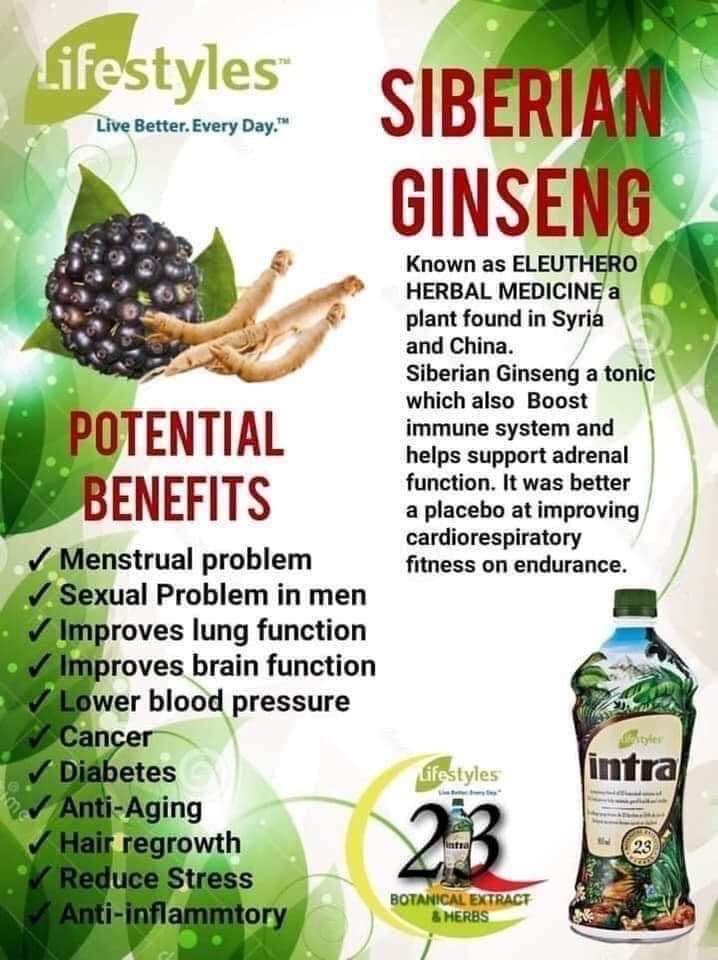
Eleuthero, also known as Siberian Ginseng, has been used in Traditional Chinese Medicine (TCM) for thousands of years. The Chinese refer to it as a builder of Qi (pronounced “chi”), a term describing the body’s vital energy. In Malaysia and Indonesia, Eleuthero and its many close relatives are called jamu. In Ayurveda, they are known as rasayanas – rejuvenating plants.
Eleuthero is an adaptogen(Natural Adaptogen). Adaptogens are herbs that can help keep the body in balance, enhancing the body’s resilience to stresses. This balancing of the body allows us to realize many amazing benefits.
One could see improvements in stamina, energy, cognitive function, blood pressure, lymphatic function, immune support, dealing with infections, and in handling stress. Eleuthero nourishes the adrenal glands. When the adrenal glands are functioning well, hormones are optimized and balanced, affecting mood, energy and general wellbeing.
It is hard to believe so many benefits can come from a single herb. Because of this, Lifestyles includes a generous amount of Eleuthero in our Intra formula. It works together with other adaptogenic herbs in the formula such as schisandra, astragalus and turmeric to help the body truly find balance and to positively affect all 8 body systems.
You can find the eleuthero supplements in capsules, tablet, tincture, solid extract, or powder form online or at your local health food store. You can also purchase eleuthero tea bags or make tea by combining the dried root with hot water. It’s very important to buy Eleuthera products from a reputable sources because quality is known to vary significantly.
Red beetroot has been used as a natural medicine since the Roman times. Today it is widely regarded as a health promoting functional food. It is ranked as one of the 10 most potent anti-oxidant vegetables.
Red Beet can reduce inflammation and protect against cancer.
Add beets to your salads or blend them in your shakes and smoothies, or include them in your stir fries.
You can also find red beet extract in 2 different Lifestyles products: Nutria Plus and CardioLife
Beetroot is a superfood.Beetroot is a nutritional powerhouse containing essential vitamins and minerals:
Folate: Supports fetal development and reduces the risk of birth defects in pregnant women.
Iron: Prevents anemia, especially in menstruating women.
Potassium: Regulates blood pressure and supports heart health.
Manganese: Essential for bone health and wound healing.
Vitamin C.
It is also an superb source of dietary fibre and contains beneficial plant compounds like betalains, which contribute to its vibrant colour.
Red beetroot is a low-calorie root vegetable that is loaded with nutrients that benefit the heart, digestion, and athletic performance. Beetroots contain phytochemicals, betalains, and nitrates that have powerful antioxidant, anti-inflammatory, and antitoxic properties. Nitrates also improve blood flow and promote heart health. Other health benefits of red beetroot include lowering blood cholesterol and fatty acids, lowering blood sugar, protecting liver and kidney function, improving behavior and attention, and preventing tumor formation and growth.
Beetroot Juice – Side Effects Of Drinking
Digestive Issues Drinking beetroot juice on an empty stomach can give rise to various digestive issues, such as gas, bloating, and indigestion. …
Not Good For Liver Beetroot is nutritious and full of antioxidants, making it a great choice for detoxing. …
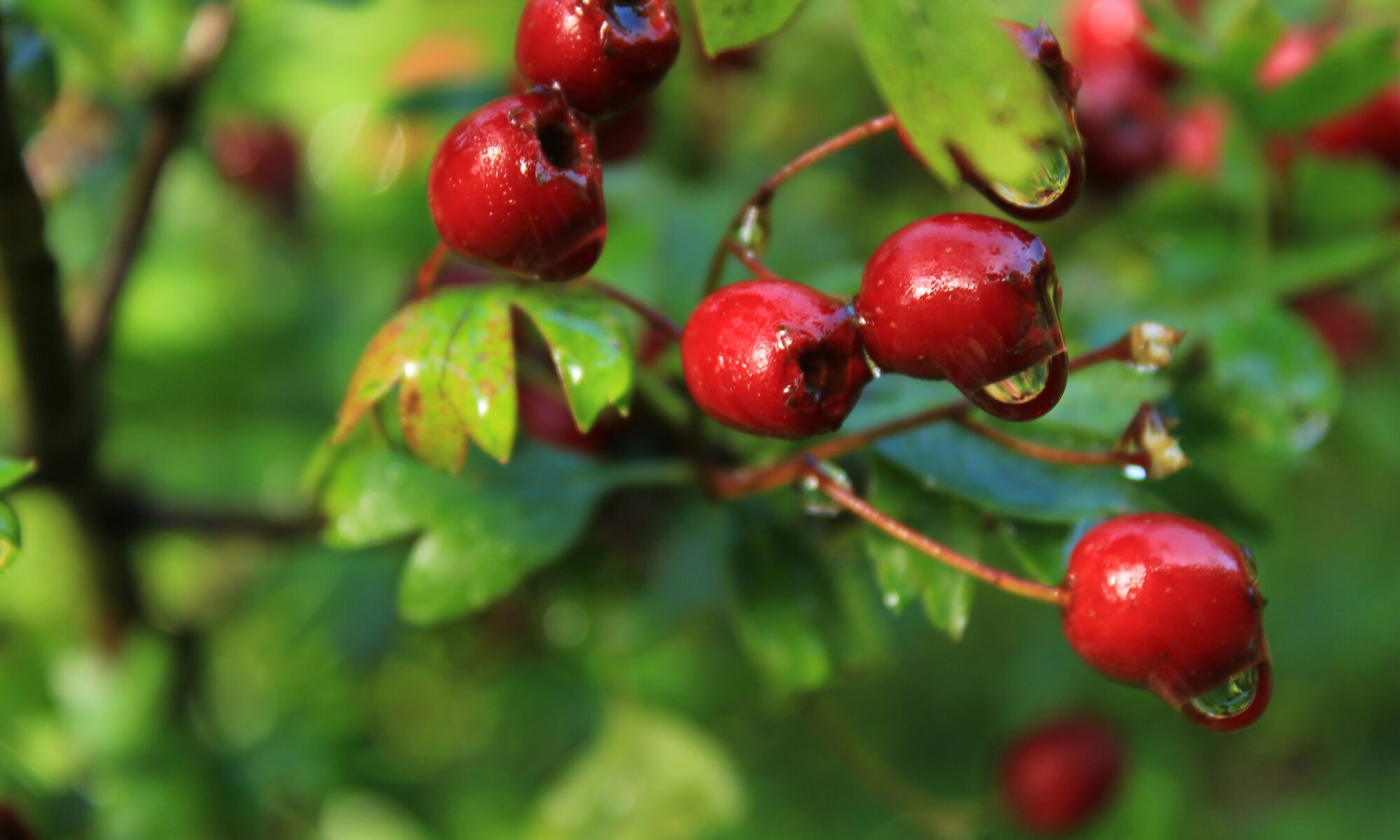
Think of hawthorn as the “anti” berry. According to the NIH, it is:
Antioxidant
Anti-inflammatory
Anticancer
Anti-cardiovascular disease
It also has digestion enhancing properties. With such an impressive list of benefits packed into this tiny fruit, we see hawthorn berry included in a growing number of effective supplements.
One supplement where hawthorn can be found is Lifestyles’ very own CardioLife. Each CardioLife capsule contains 749 mg of hawthorn.
Hawthorn berry has several health benefits, including lowering blood pressure and cholesterol, improving skin health, aiding digestion, enhancing antioxidant activity.
Sweet and tangy, the bright red hawthorn berry contains nutritional essentials and has many health benefits.
Source Video & Pictures: Lifestyles Asia Pacific Phils, Lifestyles, Lifestyles Global Network Head Office, Lifestyles Independent Distributors, Pexels, Unspash, Google, Facebook, X, pbc.lifestyles.net
Let’s talk about K2. Not the second highest mountain on earth, but the incredible vitamin gaining popularity in the wellness community.
There has been a lot of research recently on the health benefits of vitamin K2. One clinical trial recently published in the Journal of the American College of Cardiology (JACC) found that supplementing with K2 together with vitamin D slows the progression of calcium deposits in the coronary arteries.
While it has been widely credited with benefiting cardiovascular and bone health, we are now finding growing evidence that K2 benefits other areas such as the brain, joints, neuropathy, and overall health in general.
You can find K2 in foods like natto (fermented soybeans), eel, cheese, beef liver, chicken, butter and egg yolk.
You can also supplement your K2 with Lifestyles’ CardioLife. Each CardioLife capsule contains 60 mcg of K2, along with other ingredients, to help maintain optimal cardiovascular health and circulation.
Vitamin K was accidentally discovered in the 1920s and 1930s after restricted diets in animals led to excessive bleeding.
Although there are several different types of vitamin K, the two most often found in the human diet are vitamin K1 and vitamin K2.
Vitamin K1, also called phylloquinone, is mostly found in plant foods like leafy green vegetables. It makes up about 75–90% of all vitamin K consumed by humans.
Vitamin K2 is found in fermented foods and animal products, and is also produced by gut bacteria. It has several subtypes called menaquinones (MKs) that are named by the length of their side chain. They range from MK-4 to MK-13.
Food Sources of Vitamin K1
Vitamin K1 is produced by plants. It is the predominant form of vitamin K found in the human diet.
The following list includes several foods that are high in vitamin K1. Each value represents the amount of vitamin K1 in 1 cup of the cooked vegetable.
Kale: 1,062 mcg
Collard greens: 1,059 mcg
Spinach: 889 mcg
Turnip greens: 529 mcg
Broccoli: 220 mcg
Brussels sprouts: 218 mcg
Summary: Vitamin K1 is the main type of vitamin K in the human diet. It is most commonly found in leafy green vegetables.
Food Sources of Vitamin K2
The vitamin K2 content for 3.5 ounces (100 grams) of several foods is listed below:
Natto: 1,062 mcg
Pork sausage: 383 mcg
Hard cheeses: 76 mcg
Pork chop (with bone): 75 mcg
Chicken (leg/thigh): 60 mcg
Soft cheeses: 57 mcg
Egg yolk: 32 mcg
Summary: Vitamin K2 food sources vary by subtype, though they include fermented foods and certain animal products.
Differences Between K1 and K2 in the Body
The main function of all types of vitamin K is to activate proteins that serve important roles in blood clotting, heart health and bone health.
However, because of differences in absorption and transport to tissues throughout the body, vitamin K1 and K2 could have profoundly different effects on your health.
In general, the vitamin K1 found in plants is poorly absorbed by the body. One study estimated that less than 10% of the K1 found in plants is actually absorbed.
Less is known about the absorption of vitamin K2. Yet experts believe that because K2 is often found in foods that contain fat, it may be better absorbed than K1.
This is because vitamin K is a fat-soluble vitamin. Fat-soluble vitamins are much better absorbed when eaten with dietary fat.
Additionally, vitamin K2’s long side chain allows it to circulate in the blood longer than K1. Where vitamin K1 may stay in the blood for several hours, some forms of K2 can remain in the blood for days.
Some researchers believe that the longer circulation time of vitamin K2 allows it to be better used in tissues located throughout the body. Vitamin K1 is primarily transported to and used by the liver.
These differences are crucial to identifying the different roles vitamin K1 and K2 play in the body. The next sections investigate this topic further.
Summary: Differences in absorption and transportation of vitamin K1 and K2 in the body may lead to differences in their effects on your health.
Health Benefits of Vitamin K1 and K2
Studies investigating the health benefits of vitamin K have suggested that it may benefit blood clotting, bone health and heart health.
Vitamin K and Blood Clotting
Several proteins involved in blood clotting depend on vitamin K to get their job done. Blood clotting may sound like a bad thing, and sometimes it is. Yet without it, you could bleed excessively and end up dying from even a minor injury.
Some people have blood clotting disorders and take a medication called warfarin to prevent the blood from clotting too easily. If you take this medication, you should keep your vitamin K intake consistent due to its powerful effects on blood clotting.
Although most of the attention in this area focuses on food sources of vitamin K1, it may also be important to monitor vitamin K2 intake.
One study showed that a single serving of natto rich in vitamin K2 altered measures of blood clotting for up to four days. This was a much larger effect than foods high in vitamin K1. Therefore, it is probably a good idea to monitor foods high in vitamin K1 as well as vitamin K2 if you are on the blood-thinning medication warfarin.
Vitamin K and Bone Health
Many experts believe vitamin K activates proteins required for bone growth and development.
Several observational studies have correlated low levels of vitamin K1 and K2 with a higher risk of bone fractures, though these studies are not as good at proving cause and effect as controlled studies.
Most controlled studies examining the effects of vitamin K1 supplements on bone loss have been inconclusive and shown little benefit.
However, one review of controlled studies concluded that vitamin K2 supplementation as MK-4 significantly reduced the risk of bone fractures. Nevertheless, since this review, several large controlled studies have shown no effect.
Overall, the available studies have been somewhat inconsistent, but the current evidence was convincing enough for the European Food Safety Authority to conclude that vitamin K is directly involved in the maintenance of normal bone health.
More high-quality, controlled studies are needed to further investigate the effects of both vitamin K1 and K2 on bone health and determine whether there are any real differences between the two.
Vitamin K and Heart Health
In addition to blood clotting and bone health, vitamin K also seems to play an important role in preventing heart disease.
Vitamin K activates a protein that helps prevent calcium from depositing in your arteries. These calcium deposits contribute to the development of plaque, so it’s not surprising that they are a strong predictor of heart disease.
Several observational studies have suggested that vitamin K2 is better than K1 at reducing these calcium deposits and lowering your risk of heart disease.
However, higher quality controlled studies have shown that both vitamin K1 and vitamin K2 (specifically MK-7) supplements improve various measures of heart health.
Nevertheless, further studies are needed to prove that supplementing with vitamin K actually causes these improvements in heart health. Additionally, more research is needed to determine if K2 is truly better for heart health than K1.
Summary: Vitamin K1 and K2 are important for blood clotting, bone health and possibly heart health. Further research is needed to clarify if K2 is better than K1 at performing any of these functions.
Vitamin K Deficiency
True vitamin K deficiency is rare in healthy adults. It typically only occurs in people with severe malnutrition or malabsorption, and sometimes in people taking the medication warfarin.
Symptoms of deficiency include excessive bleeding that won’t stop easily, though this could also be caused by other things and should be evaluated by a physician.
Although you might not be deficient in vitamin K, it is possible that you aren’t getting enough vitamin K to help prevent heart disease and bone disorders like osteoporosis.
For this reason, it is important you get the appropriate amount of vitamin K your body needs.
Summary: True vitamin K deficiency is characterized by excessive bleeding and is rare in adults. However, just because you don’t have a deficiency doesn’t mean that you are getting enough vitamin K for optimal health.
How to Get Enough Vitamin K
The recommended adequate intake for vitamin K is based only on vitamin K1 and is set at 90 mcg/day for adult women and 120 mcg/day for adult men.
This can easily be achieved by adding a cup of spinach to an omelet or salad, or by adding a 1/2 cup of broccoli or Brussels sprouts as a side for dinner.
Furthermore, consuming these with a source of fat like egg yolks or olive oil will help your body absorb the vitamin K better.
There is currently no recommendation on how much vitamin K2 you should be eating. It is best to try to incorporate a variety of vitamin K2-rich foods into your diet.
Below are some tips on how to do this.
Try natto: Natto is a fermented food that is extremely high in vitamin K2. Some people don’t like the taste, but if you can stomach it, your K2 intake will skyrocket.
Eat more eggs: Eggs are fairly good sources of vitamin K2 that can easily be added to your daily breakfast.
Eat certain cheeses: Fermented cheeses, such as Jarlsberg, Edam, Gouda, cheddar and blue cheese, contain vitamin K2 formed by the bacteria used during their production.
Consume dark meat chicken: The dark meat of chicken, such as leg and thigh meat, contains moderate amounts of vitamin K2 and may be better absorbed than the K2 found in chicken breasts.
Both vitamin K1 and vitamin K2 are also available in supplement form and often consumed in large doses. Although there are no known toxicities, further research is needed before specific recommendations for supplements can be given.
Summary: It is best to incorporate a variety of food sources of both vitamin K1 and K2 in your diet to obtain the health benefits that these vitamins offer.
The Bottom Line
Vitamin K1 is primarily found in leafy green vegetables, while K2 is most abundant in fermented foods and some animal products.
Vitamin K2 may be absorbed better by the body and some forms may stay in the blood longer than vitamin K1. These two things may cause K1 and K2 to have different effects on your health.
Vitamin K likely plays an important role in blood clotting and promoting good heart and bone health. Some research suggests that K2 may be superior to K1 in some of these functions, but further research is needed to confirm this.
For optimal health, focus on increasing food sources of both vitamin K1 and K2. Try to include one green vegetable daily and incorporate fermented foods and K2-rich animal products into your diet.
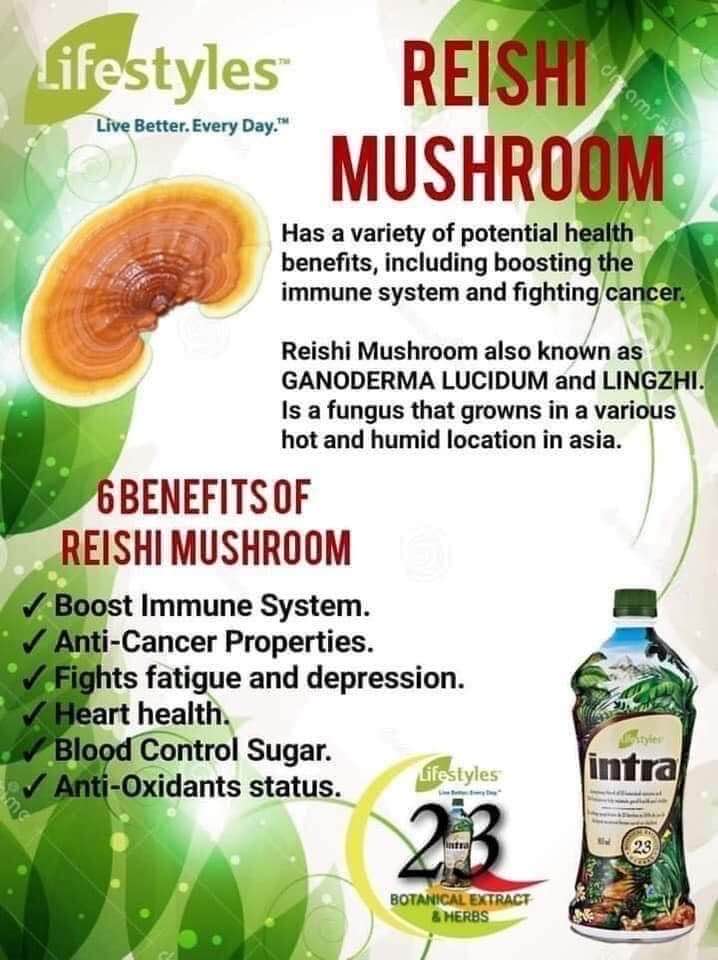
The use of Reishi Mushroom for medicinal purposes dates back to at least 2000 years. Some say it goes back as far as 4000 years.
Known as Lingzhi (Chinese), the Elixir of Immortality, the King of Mushrooms and Magic Fungus, Reishi is rarely found in the wild and is difficult to cultivate. Because of this it was once only available to the wealthy.
This super fungus is known for its ability to promote longevity, boost the immune system, increase memory, strengthen heart function and detoxify the body.
Reishi is one of the adaptogenic herbs found in Intra. Together with ginseng, schisandra, astragalus and turmeric, it helps the body cope with stress and maintain balance. Read more about Reishi Mushroom benefits.
Boost the immune system
Anti-Cancer Properties
Could Reduce Fatigue and Depression
Decrease Blood Sugar
Can help protect cells against damage,is efective in improving antioxidant status
Our Products – A Professional User’s Guide
Two of the most frequently asked questions we get are:
When should I take the Lifestyles products?
What products should I take?
Here is a chart that helps explain when you can take each of the products and their benefits. Oh and the answer to the second question is all. You should take all of the Lifestyles products.
Lifestyles Product
How / When to Take
Benefits
Intra
Anytime, with or without food – take daily for best results.
Supports 8 body systems (numerous benefits – all individuals) 95% of daily users receive a benefit.
Nutria Plus
With any meal – take daily for best results.
Provides numerous anti-oxidants. Helps keep cells healthy your entire life. Anti-aging activity.
CardioLife
With any meal – take daily for best results.
Optimal blood flow. Healthy arteries. Heart and brain health.
FibreLife
15 minutes before meals or with meals (always take with a glass of water.
Weight loss and weight management. Help lower cholesterol and lower blood sugar.
Order Intra with 30-Day Full Money Back Guarantee
Get Intra to Fight Body Pollution Now
Order Intra to Support All your Body’s Biological Systems
Documented references to reishi’s reputation as a health booster date back as far as 2,400 years, and depictions of it frequently appear in ancient Chinese and Japanese artwork. However, the mushroom has likely been in use as a medicinal herb for over 4,000 years across the Eastern hemisphere, including both Korean and Indian cultures (15).
Ancient Chinese herbalists called reishi Lingzhi (灵芝) because it means “herb of spiritual potency.”Traditional Chinese Medicine (TCM) practitioners prescribe Lingzhi to influence the heart, lungs, liver, and kidney channels, to balance Qi (the body’s life force), calm the mind, and relieve cough and asthma. These practitioners called reishi “the mushroom of immortality” to describe the all-encompassing health support that this mushroom reishi could provide.
The Miracles of Cinnamon. The Spice of Life. It has such a lovely flavor, we sometimes forget it’s actually good for us!
What a wonderful spice it is. We use it in our baking, spread it on top of our deserts, include it in our meat marinades and even sprinkle it on our coffee. But this dynamic powerhouse of flavor isn’t just good for our taste buds. It’s really good for our bodies too!
Some of the well-researched benefits of cinnamon bark include:
Antioxidant. Anti-inflammatory. Anti-diabetic.
Protective against neurological disorders such as Alzheimer’s and Parkinsons.Improves colon health.
There are too many more benefits of Cinnamon Bark to name. Thankfully you don’t need to know all of the benefits to enjoy them.
Consider adding cinnamon to your recipes often. Another great source of cinnamon bark is the Lifestyles Fibrelife Capsules.
Intra Juice Fasting. Improve your Health with Intra Juice Lifestyles.
What is Intra Juice?
Intra juice is a type of fasting that involves consuming small amounts of liquid throughout the day, while still abstaining from solid food. The liquid you consume can be anything from water to juice to tea. The goal is to keep your blood sugar levels stable and avoid feeling hungry.
How Does Intra Juice Work?
When you fast, your body goes into a state of ketosis. Ketosis is a metabolic process that occurs when your body starts to burn fat for energy. This process produces ketones, which are molecules that can cross the blood-brain barrier and provide energy to the brain.
Intra juice fasting helps to promote ketosis by keeping your blood sugar levels stable. This prevents your body from storing glycogen (stored glucose) as fat. It also helps to suppress the hunger hormone ghrelin, which can help you to feel full longer.
What are the Benefits of Intra Juice Fasting?
There are many potential benefits of intra juice fasting, including:
Weight loss: Intra juice fasting can help you to lose weight by promoting ketosis and suppressing hunger.
Improved blood sugar control: Intra juice fasting can help to improve blood sugar control by reducing insulin resistance.
Reduced inflammation: Intra juice fasting can help to reduce inflammation by lowering levels of inflammatory markers.
Improved brain function: Intra juice fasting can help to improve brain function by increasing levels of ketones.
Increased energy: Intra juice fasting can help to increase energy levels by providing your body with a steady supply of energy.
How to Get Started with Intra Juice Fasting?
If you’re interested in trying intra juice fasting, here are a few tips to get started:
1.Start slowly. Gradually increase the amount of time you fast each day.
2.Choose healthy liquids. Stick to water, juice, and tea. Avoid sugary drinks and processed foods.
3.Listen to your body. If you feel hungry or lightheaded, eat a small snack.
Intra juice fasting can be a great way to improve your health and lose weight. By following these tips, you can safely and effectively start your intra juice fasting journey. Thank You for reading our Intra Juice Newsletter.
Thank you for your interest in Lifestyles Intra Business Training for our global team members. In keeping with our promise to support you in your business, we have launched our Training Pages. Training programs of Lifestyles GN ( YOU have Training section in your PBC) and Lifestyles GN are improving, but you are still definitely expected to hit the ground with our basic guide on our System (YOUR SUCCESS), Wealth, Health and Compensation Plan (YOUR MONEY).
TIP. Be a loyal customer and get rewarded/receive up to 7 Intra free.
Upline NMD: Regina & Tomi, NMD
Lifestyles International Independent Distributors, National Ambassadors
Please carefully read our Guide STEP 1 – STEP 8 on how to START your own online business and sell Intra Juice online 24/7 today. Just follow the guidelines. There is… the ‘LIFESTYLES INTRA GLOBAL TEAM’ can teach you how!
The Internet is changing the way people live and work forever. The ideas of traditional businesses as we know them are disappearing; making way for new methods of wealth creation and time freedom. Today, the speed and technology of the Internet have REVOLUTIONIZED the referral marketing industry, also known as Network Marketing or Multi-Level Marketing (MLM), making it possible to achieve financial freedom and more working part-time from the privacy of your own home with the great Online Business 24/7 globally. Learn how you could earn an extra $1,000, $5,000, or even $10,000+ per month PART TIME working from home. How can we be so sure? Because thousands are doing it! Because we are doing it and we work with you at each step, teaching you to do the same. It’s A Shame For You Not To Make Good Money When Other People Do It So Easily.
Did you ever drive by million-dollar homes and wonder how those people got to be so successful? (We did!) Didn’t you want to just go up and ring their doorbell and ask them how they became so wealthy? We wondered if they were just luckier or maybe worked harder, but we were amazed when we discovered the truth: THEY JUST KNOW MORE THAN US AND WORKED SMART. It’s all about knowledge and teamwork. Anyone that might be more successful than you just knows a little more. KNOWLEDGE IS POWER. All you have to do is learn. This web site is the doorway to your opportunity.
“When the student is ready, the personal $uccess mentor appears.”
Think Success! Think I – N – T – R – A
Introduce – Narrate – Teach – Record – Attend
Manage Consent
To provide the best experiences, we use technologies like cookies to store and/or access device information. Consenting to these technologies will allow us to process data such as browsing behavior or unique IDs on this site. Not consenting or withdrawing consent, may adversely affect certain features and functions.
Functional
Always active
The technical storage or access is strictly necessary for the legitimate purpose of enabling the use of a specific service explicitly requested by the subscriber or user, or for the sole purpose of carrying out the transmission of a communication over an electronic communications network.
Preferences
The technical storage or access is necessary for the legitimate purpose of storing preferences that are not requested by the subscriber or user.
Statistics
The technical storage or access that is used exclusively for statistical purposes.The technical storage or access that is used exclusively for anonymous statistical purposes. Without a subpoena, voluntary compliance on the part of your Internet Service Provider, or additional records from a third party, information stored or retrieved for this purpose alone cannot usually be used to identify you.
Marketing
The technical storage or access is required to create user profiles to send advertising, or to track the user on a website or across several websites for similar marketing purposes.