CardioLife is a scientifically formulated dietary supplement providing vitamins, minerals and plant extracts that support cardiovascular health and blood circulation throughout the body.
CardioLife – Support Cardiovascular Health
The combination of Vitamin K2 (MK7), Hawthorn Extract, Vitamins B6, B12, and Folic Acid have shown to support the health of the arteries and ensure maximum blood flow throughout the body. Optimal blood flow is vital to heart health, as well as brain function and overall well-being.
CardioLife contains a unique and well-studied brand of Vitamin K2 called VitaMK7.Known as the highest quality, most active form of Vitamin K2, VitaMK7 is pure Menaquinone-7 (MK7). Menaquinone-7 (MK7) has been well studied and shown to enhance blood flow and strengthen bones by removing calcium from the blood and depositing it in the bones, where it belongs. Use CardioLife every day to:
Maintain the health of the arteries and blood vessels – avoid hardening of the arteries
Optimize blood flow throughout the body thereby keeping the heart and cardiovascular system strong and healthy
Maintain and develop strong, healthy bones and teeth
Known as the highest quality, most active form of Vitamin K2, VitaMK7 is pure Menaquinone-7 (MK7). Menaquinone-7 (MK7) has been well studied and shown to ensure normal blood flow and strengthen bones by removing calcium from the blood and depositing it in the bones, where it belongs.
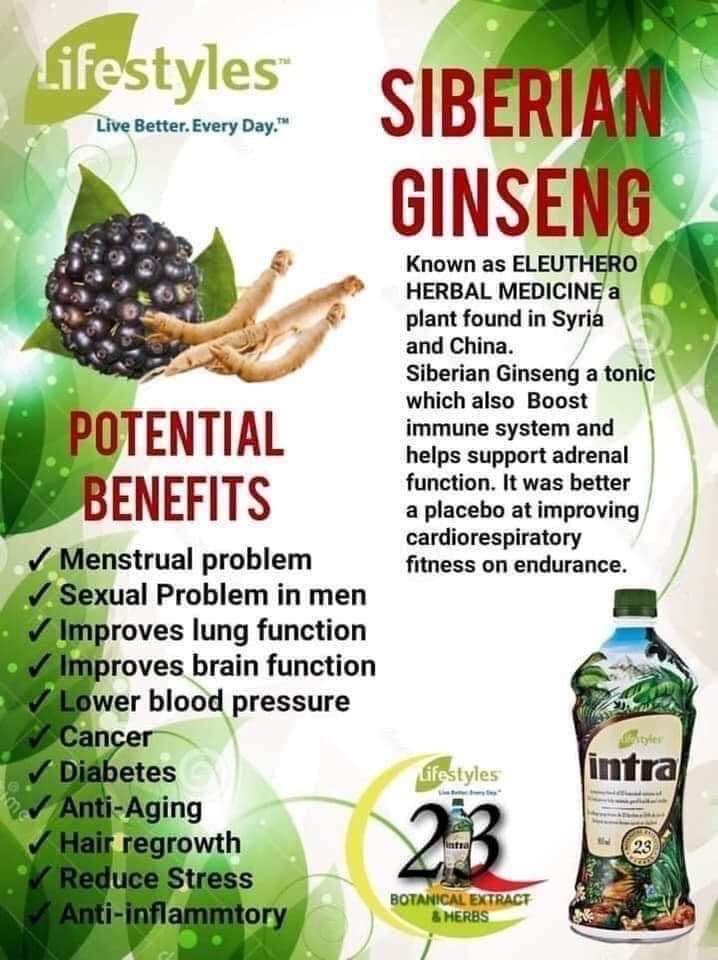
Eleuthero, also known as Siberian Ginseng, has been used in Traditional Chinese Medicine (TCM) for thousands of years. The Chinese refer to it as a builder of Qi (pronounced “chi”), a term describing the body’s vital energy. In Malaysia and Indonesia, Eleuthero and its many close relatives are called jamu. In Ayurveda, they are known as rasayanas – rejuvenating plants.
Eleuthero is an adaptogen(Natural Adaptogen). Adaptogens are herbs that can help keep the body in balance, enhancing the body’s resilience to stresses. This balancing of the body allows us to realize many amazing benefits.
One could see improvements in stamina, energy, cognitive function, blood pressure, lymphatic function, immune support, dealing with infections, and in handling stress. Eleuthero nourishes the adrenal glands. When the adrenal glands are functioning well, hormones are optimized and balanced, affecting mood, energy and general wellbeing.
It is hard to believe so many benefits can come from a single herb. Because of this, Lifestyles includes a generous amount of Eleuthero in our Intra formula. It works together with other adaptogenic herbs in the formula such as schisandra, astragalus and turmeric to help the body truly find balance and to positively affect all 8 body systems.
You can find the eleuthero supplements in capsules, tablet, tincture, solid extract, or powder form online or at your local health food store. You can also purchase eleuthero tea bags or make tea by combining the dried root with hot water. It’s very important to buy Eleuthera products from a reputable sources because quality is known to vary significantly.
Let’s talk about K2. Not the second highest mountain on earth, but the incredible vitamin gaining popularity in the wellness community.
There has been a lot of research recently on the health benefits of vitamin K2. One clinical trial recently published in the Journal of the American College of Cardiology (JACC) found that supplementing with K2 together with vitamin D slows the progression of calcium deposits in the coronary arteries.
While it has been widely credited with benefiting cardiovascular and bone health, we are now finding growing evidence that K2 benefits other areas such as the brain, joints, neuropathy, and overall health in general.
You can find K2 in foods like natto (fermented soybeans), eel, cheese, beef liver, chicken, butter and egg yolk.
You can also supplement your K2 with Lifestyles’ CardioLife. Each CardioLife capsule contains 60 mcg of K2, along with other ingredients, to help maintain optimal cardiovascular health and circulation.
Vitamin K was accidentally discovered in the 1920s and 1930s after restricted diets in animals led to excessive bleeding.
Although there are several different types of vitamin K, the two most often found in the human diet are vitamin K1 and vitamin K2.
Vitamin K1, also called phylloquinone, is mostly found in plant foods like leafy green vegetables. It makes up about 75–90% of all vitamin K consumed by humans.
Vitamin K2 is found in fermented foods and animal products, and is also produced by gut bacteria. It has several subtypes called menaquinones (MKs) that are named by the length of their side chain. They range from MK-4 to MK-13.
Food Sources of Vitamin K1
Vitamin K1 is produced by plants. It is the predominant form of vitamin K found in the human diet.
The following list includes several foods that are high in vitamin K1. Each value represents the amount of vitamin K1 in 1 cup of the cooked vegetable.
Kale: 1,062 mcg
Collard greens: 1,059 mcg
Spinach: 889 mcg
Turnip greens: 529 mcg
Broccoli: 220 mcg
Brussels sprouts: 218 mcg
Summary: Vitamin K1 is the main type of vitamin K in the human diet. It is most commonly found in leafy green vegetables.
Food Sources of Vitamin K2
The vitamin K2 content for 3.5 ounces (100 grams) of several foods is listed below:
Natto: 1,062 mcg
Pork sausage: 383 mcg
Hard cheeses: 76 mcg
Pork chop (with bone): 75 mcg
Chicken (leg/thigh): 60 mcg
Soft cheeses: 57 mcg
Egg yolk: 32 mcg
Summary: Vitamin K2 food sources vary by subtype, though they include fermented foods and certain animal products.
Differences Between K1 and K2 in the Body
The main function of all types of vitamin K is to activate proteins that serve important roles in blood clotting, heart health and bone health.
However, because of differences in absorption and transport to tissues throughout the body, vitamin K1 and K2 could have profoundly different effects on your health.
In general, the vitamin K1 found in plants is poorly absorbed by the body. One study estimated that less than 10% of the K1 found in plants is actually absorbed.
Less is known about the absorption of vitamin K2. Yet experts believe that because K2 is often found in foods that contain fat, it may be better absorbed than K1.
This is because vitamin K is a fat-soluble vitamin. Fat-soluble vitamins are much better absorbed when eaten with dietary fat.
Additionally, vitamin K2’s long side chain allows it to circulate in the blood longer than K1. Where vitamin K1 may stay in the blood for several hours, some forms of K2 can remain in the blood for days.
Some researchers believe that the longer circulation time of vitamin K2 allows it to be better used in tissues located throughout the body. Vitamin K1 is primarily transported to and used by the liver.
These differences are crucial to identifying the different roles vitamin K1 and K2 play in the body. The next sections investigate this topic further.
Summary: Differences in absorption and transportation of vitamin K1 and K2 in the body may lead to differences in their effects on your health.
Health Benefits of Vitamin K1 and K2
Studies investigating the health benefits of vitamin K have suggested that it may benefit blood clotting, bone health and heart health.
Vitamin K and Blood Clotting
Several proteins involved in blood clotting depend on vitamin K to get their job done. Blood clotting may sound like a bad thing, and sometimes it is. Yet without it, you could bleed excessively and end up dying from even a minor injury.
Some people have blood clotting disorders and take a medication called warfarin to prevent the blood from clotting too easily. If you take this medication, you should keep your vitamin K intake consistent due to its powerful effects on blood clotting.
Although most of the attention in this area focuses on food sources of vitamin K1, it may also be important to monitor vitamin K2 intake.
One study showed that a single serving of natto rich in vitamin K2 altered measures of blood clotting for up to four days. This was a much larger effect than foods high in vitamin K1. Therefore, it is probably a good idea to monitor foods high in vitamin K1 as well as vitamin K2 if you are on the blood-thinning medication warfarin.
Vitamin K and Bone Health
Many experts believe vitamin K activates proteins required for bone growth and development.
Several observational studies have correlated low levels of vitamin K1 and K2 with a higher risk of bone fractures, though these studies are not as good at proving cause and effect as controlled studies.
Most controlled studies examining the effects of vitamin K1 supplements on bone loss have been inconclusive and shown little benefit.
However, one review of controlled studies concluded that vitamin K2 supplementation as MK-4 significantly reduced the risk of bone fractures. Nevertheless, since this review, several large controlled studies have shown no effect.
Overall, the available studies have been somewhat inconsistent, but the current evidence was convincing enough for the European Food Safety Authority to conclude that vitamin K is directly involved in the maintenance of normal bone health.
More high-quality, controlled studies are needed to further investigate the effects of both vitamin K1 and K2 on bone health and determine whether there are any real differences between the two.
Vitamin K and Heart Health
In addition to blood clotting and bone health, vitamin K also seems to play an important role in preventing heart disease.
Vitamin K activates a protein that helps prevent calcium from depositing in your arteries. These calcium deposits contribute to the development of plaque, so it’s not surprising that they are a strong predictor of heart disease.
Several observational studies have suggested that vitamin K2 is better than K1 at reducing these calcium deposits and lowering your risk of heart disease.
However, higher quality controlled studies have shown that both vitamin K1 and vitamin K2 (specifically MK-7) supplements improve various measures of heart health.
Nevertheless, further studies are needed to prove that supplementing with vitamin K actually causes these improvements in heart health. Additionally, more research is needed to determine if K2 is truly better for heart health than K1.
Summary: Vitamin K1 and K2 are important for blood clotting, bone health and possibly heart health. Further research is needed to clarify if K2 is better than K1 at performing any of these functions.
Vitamin K Deficiency
True vitamin K deficiency is rare in healthy adults. It typically only occurs in people with severe malnutrition or malabsorption, and sometimes in people taking the medication warfarin.
Symptoms of deficiency include excessive bleeding that won’t stop easily, though this could also be caused by other things and should be evaluated by a physician.
Although you might not be deficient in vitamin K, it is possible that you aren’t getting enough vitamin K to help prevent heart disease and bone disorders like osteoporosis.
For this reason, it is important you get the appropriate amount of vitamin K your body needs.
Summary: True vitamin K deficiency is characterized by excessive bleeding and is rare in adults. However, just because you don’t have a deficiency doesn’t mean that you are getting enough vitamin K for optimal health.
How to Get Enough Vitamin K
The recommended adequate intake for vitamin K is based only on vitamin K1 and is set at 90 mcg/day for adult women and 120 mcg/day for adult men.
This can easily be achieved by adding a cup of spinach to an omelet or salad, or by adding a 1/2 cup of broccoli or Brussels sprouts as a side for dinner.
Furthermore, consuming these with a source of fat like egg yolks or olive oil will help your body absorb the vitamin K better.
There is currently no recommendation on how much vitamin K2 you should be eating. It is best to try to incorporate a variety of vitamin K2-rich foods into your diet.
Below are some tips on how to do this.
Try natto: Natto is a fermented food that is extremely high in vitamin K2. Some people don’t like the taste, but if you can stomach it, your K2 intake will skyrocket.
Eat more eggs: Eggs are fairly good sources of vitamin K2 that can easily be added to your daily breakfast.
Eat certain cheeses: Fermented cheeses, such as Jarlsberg, Edam, Gouda, cheddar and blue cheese, contain vitamin K2 formed by the bacteria used during their production.
Consume dark meat chicken: The dark meat of chicken, such as leg and thigh meat, contains moderate amounts of vitamin K2 and may be better absorbed than the K2 found in chicken breasts.
Both vitamin K1 and vitamin K2 are also available in supplement form and often consumed in large doses. Although there are no known toxicities, further research is needed before specific recommendations for supplements can be given.
Summary: It is best to incorporate a variety of food sources of both vitamin K1 and K2 in your diet to obtain the health benefits that these vitamins offer.
The Bottom Line
Vitamin K1 is primarily found in leafy green vegetables, while K2 is most abundant in fermented foods and some animal products.
Vitamin K2 may be absorbed better by the body and some forms may stay in the blood longer than vitamin K1. These two things may cause K1 and K2 to have different effects on your health.
Vitamin K likely plays an important role in blood clotting and promoting good heart and bone health. Some research suggests that K2 may be superior to K1 in some of these functions, but further research is needed to confirm this.
For optimal health, focus on increasing food sources of both vitamin K1 and K2. Try to include one green vegetable daily and incorporate fermented foods and K2-rich animal products into your diet.
If you are interested in shipping Intra Juice to China mainland, and you are a Lifestyles member, this is possible. Shipments to mainland China for Lifestyles Members are possible. Lifestyles Hong Kong can arrange delivery to mainland China. If You are interested, specify the items and quantities you’d like to order, and we’ll provide you with a shipping quote.
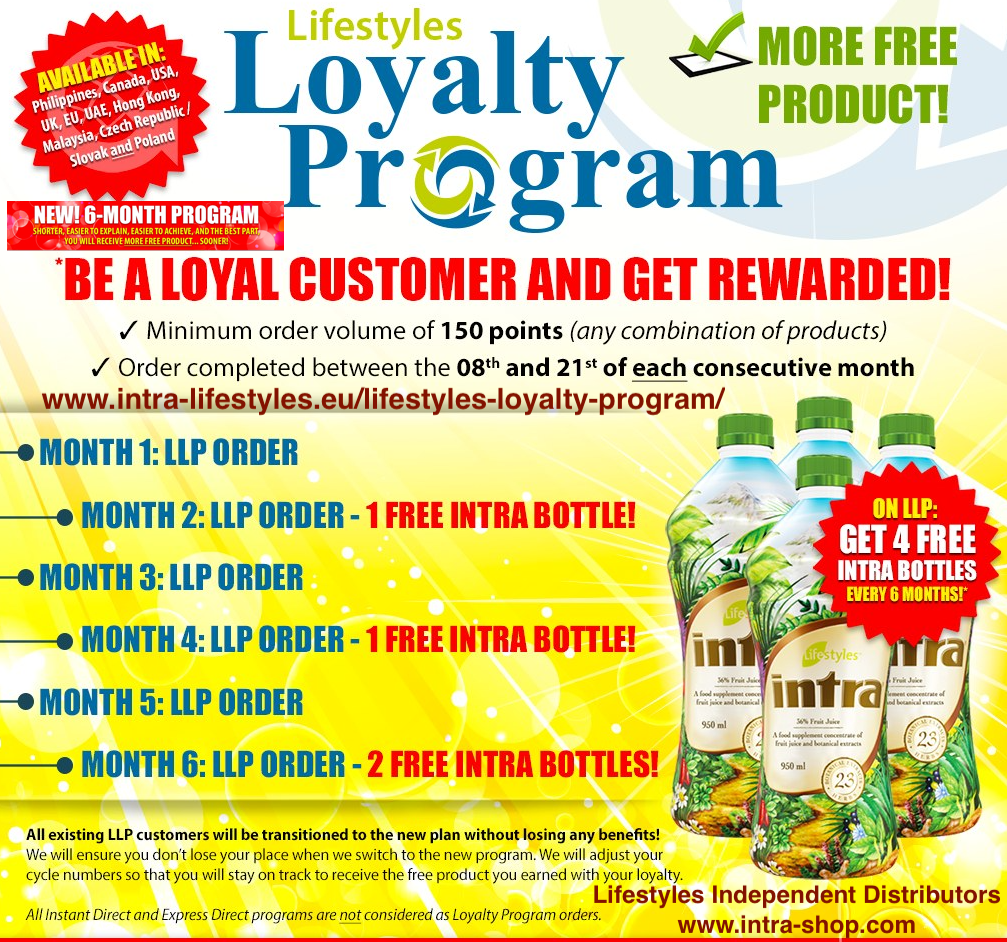
As a Preferred Customer, you enjoy a discount of 10% -20%, so you will save in the future. Be a loyal preferred customer and get rewarded. The minimum order is 150 points, receive free products / Max 8 free INTRA per Year. Order must be completed between 08th and 21st of each month.
NOTE: The number of shipments to mainland is limited, thank you for understanding.
Everything in your life started as a vision, a goal, and a plan. Look around. The building where you live, the car you drive, the device with which you are reading this newsletter – ALL started as someone’s vision. The vision became a goal, the goal was built into a plan, and the plan when followed led to the achievement.
Set Your Goals is the first step of the 6 Steps in the Distributor Success Guide. It is no accident that the very first step in a guide to help new Distributors get started with their Lifestyles business is to set their goals. If you don’t have a compelling reason to do something, chances are you won’t do it.
There are countless quotes that seem to say the same thing and may be considered a little cliché, such as:
If you don’t know where you are going you will probably end up somewhere else. – Lawrence J. Peter
These quotes have become so cliché because they hold a lot of truth. You want to guide your life and your Lifestyles business with clear direction and with clear objectives.
Your vision is the big picture. It is tied together with the reason you do what you do, Your Big Why. Your vision might be to build the biggest Distributor network in your area and in the process develop a large monthly income. The reason, the Big Why might be that your family growing up was poor and you vowed to never experience that with your own family.
The goals you set stem from your Vision and your Why. In our example they might be to promote to EXE by May, to NMD by August, and to develop 100 personal monthly customers by June.
You can then take each of your goals and develop them into plans. You do this by looking at the goal and thinking of all of the things you could do to achieve that goal. They might be considered steps that you can take, sometimes at the same time.
Some of these for our example might be:
Talk to 2 new people about Your Intra Juice Experience & Story every day. Your Personal testimonial with Intra Juice & Lifestyles Products. Tell your friends how do you feel since you started your Intra supplementation. It is very important for you & your future INTRAcustomers.
Study the sales process by reading books, taking classes, etc.
Practice delivering an effective Opportunity Presentation with the help of your upline leader. The Exapmple.
Once detailed plans are created, based on specific goals in line with a clear vision, all we need to do is work with the plan, and we can turn our visions into reality. Do You have questions? Contact Us for Help.
The Exapmple Of Intra Lifestyles Opportunity Presentation.
Lifestyles GN Canada produces a full line of NATURAL-SOURCED premium quality products that helps fight the damaging effects of our modern lifestyle.
Intra Lifestyles Herbal Juice Drink – Botanical Beverage for Immune Support, Detox, Digestive & Cardiovascular Health – 23 Botanical Extracts – Made in Canada Trio Pack (950 mL /32 fl oz Each)
JOIN & SAVE 23 BOTANICAL EXTRACTS – Includes powerful, naturally sourced herbs in a unique blend: Aloe Vera, Alfalfa, Astragalus, Bee Pollen, Cayenne Pepper, Cascara Bark, Celery Seed, Chicory, Chinese Pearl Barley, Dandelion, Eleuthero, Fenugreek, German Chamomile, Ginger, Juniper Berries, Licorice Root, Passion Flower, Pipsissewa, Reishi Mushroom, Rose Hip, Sarsaparilla, Schisandra Berry, and Thyme.
DETOXIFICATION BOOSTER – The exclusive formula of botanicals and fruit juice aids your body’s natural processes that detoxify and fight the damaging effects of environmental pollutants and oxidative stress. It also boosts immune system health with potent botanical extracts that help your body fight back against illness.
WHOLE BODY HEALTH SUPPORT – Intra Herbal Juice’s nutrients are easily and quickly absorbed by the body to boost its benefits for overall wellness and vitality. This food supplement beverage helps maintain and strengthen your body’s 8 systems: Detoxification, Cardiovascular, Digestive, Energy, Hormonal, Immune, Nervous, and Skeletal Systems.
NATURAL ENERGY SUPPORT – Safe for athletic use, Intra Herbal Drink promotes sustainable energy for both men and women throughout the day. The drink supports overall vitality and helps combat the effects of fatigue with a blend of energizing herbs.
PREMIUM QUALITY – Proudly made in Canada for over 30 years under strict quality control standards, in accordance with GMP and HACCP standards for purity, safety, and sanitation. Kosher Rated, Halal Certified, and BFAD Approved for safe and ethical consumption.
The Miracles of Cinnamon. The Spice of Life. It has such a lovely flavor, we sometimes forget it’s actually good for us!
What a wonderful spice it is. We use it in our baking, spread it on top of our deserts, include it in our meat marinades and even sprinkle it on our coffee. But this dynamic powerhouse of flavor isn’t just good for our taste buds. It’s really good for our bodies too!
Some of the well-researched benefits of cinnamon bark include:
Antioxidant. Anti-inflammatory. Anti-diabetic.
Protective against neurological disorders such as Alzheimer’s and Parkinsons.Improves colon health.
There are too many more benefits of Cinnamon Bark to name. Thankfully you don’t need to know all of the benefits to enjoy them.
Consider adding cinnamon to your recipes often. Another great source of cinnamon bark is the Lifestyles Fibrelife Capsules.
Intra Juice Fasting. Improve your Health with Intra Juice Lifestyles.
What is Intra Juice?
Intra juice is a type of fasting that involves consuming small amounts of liquid throughout the day, while still abstaining from solid food. The liquid you consume can be anything from water to juice to tea. The goal is to keep your blood sugar levels stable and avoid feeling hungry.
How Does Intra Juice Work?
When you fast, your body goes into a state of ketosis. Ketosis is a metabolic process that occurs when your body starts to burn fat for energy. This process produces ketones, which are molecules that can cross the blood-brain barrier and provide energy to the brain.
Intra juice fasting helps to promote ketosis by keeping your blood sugar levels stable. This prevents your body from storing glycogen (stored glucose) as fat. It also helps to suppress the hunger hormone ghrelin, which can help you to feel full longer.
What are the Benefits of Intra Juice Fasting?
There are many potential benefits of intra juice fasting, including:
Weight loss: Intra juice fasting can help you to lose weight by promoting ketosis and suppressing hunger.
Improved blood sugar control: Intra juice fasting can help to improve blood sugar control by reducing insulin resistance.
Reduced inflammation: Intra juice fasting can help to reduce inflammation by lowering levels of inflammatory markers.
Improved brain function: Intra juice fasting can help to improve brain function by increasing levels of ketones.
Increased energy: Intra juice fasting can help to increase energy levels by providing your body with a steady supply of energy.
How to Get Started with Intra Juice Fasting?
If you’re interested in trying intra juice fasting, here are a few tips to get started:
1.Start slowly. Gradually increase the amount of time you fast each day.
2.Choose healthy liquids. Stick to water, juice, and tea. Avoid sugary drinks and processed foods.
3.Listen to your body. If you feel hungry or lightheaded, eat a small snack.
Intra juice fasting can be a great way to improve your health and lose weight. By following these tips, you can safely and effectively start your intra juice fasting journey. Thank You for reading our Intra Juice Newsletter.
Microbiota (intestinal flora). Probiotics contained in the diet settle in the walls of the large intestine, where they produce lactic acid and other organic acids, thereby protecting the intestinal mucosa from infections by harmful bacterial strains. Microflora consists of a huge number of bacteria, fungi, but also viruses and sometimes parasites.
How to take care of intestinal microflora?
Microbes (just like us) benefit from basic quality foods that are not industrially processed and sweetened or flavored with additives. It is absolutely ideal to regularly enrich the menu with fermented foods, such as fermented vegetables, fermented dairy products, or sourdough bread.
What Harms?
The microbiome is greatly harmed by industrially processed foods that are poor in microbes, but also in food that keeps microbes alive. We should clearly exclude foods with a high content of refined sugar, solidified fats, alcohol, and other generally unhealthy foods from our diet.
What helps with indigestion?
Modification of the menu: Limit the consumption of fatty, fried foods, as well as oversalted foods and sweets. Choose a diet rich in fiber (fruits, vegetables, legumes, whole grain bread) and probiotics (fermented dairy products, fermented vegetables).
How long does it take to restore intestinal microflora, when taking antibiotics?
Patients can take probiotics during and after antibiotic treatment. Studies have shown that it takes up to three weeks to restore a healthy intestinal microflora after prolonged use of antibiotics.
TIP. Did You Know? Polyphenols play an important role in promoting health.
Polyphenols are a group of substances found in fruits, vegetables, nuts, legumes, but also in coffee, tea and cocoa. They play an important role in promoting health. People who suffer from conditions related to PCOS, endometriosis or insulin resistance should pay special attention to products that are a source of polyphenols.

Black and Green tea is an effective antioxidant, improves brain function, increases physical performance and fat burning, reduces the risk of cancer, Alzheimer's and Parkinson's disease, has an antibacterial effect, reduces blood sugar levels and reduces the risk of developing diabetes, protects against cardiovascular diseases, promotes vitality and extends life of life. Green tea contains large amounts of polyphenols (one of the most potent components being Epigallocatechin Gallate (EGCG)). These polyphenols act as an antioxidant and help protect cells from oxidative damage by oxygen radicals. Polyphenols from green tea also effectively fight cancer, blocking enzymes that promote carcinogenic processes, further preventing the malignant proliferation of cells and preventing the formation of new blood vessels that provide nutrition for tumors.
Numerous peer-reviewed scientific studies have shown that consuming produce high in pesticide residue, increases the risk of certain negative health impacts and that choosing organic can almost immediately reduce the amounts of residues in a person’s body.
Our’s advice is that fruit whose origin is unknown should be carefully washed. But for apples, washing them leads to a maximum reduction of pesticides by half. It is more effective to peel the skin. As less risky fruits, we recommend bananas, avocados, pineapple, or some citrus fruits, where they do not find pesticides in the edible parts. Regarding vegetables, we recommend sweet potatoes, onions, or baby carrots.
And grandma’s advice to wash fruit with vinegar or lemon water? “The solubility of some pesticides may increase slightly, but complete removal cannot be counted on,” we reply.
Do you like gardening? So support your local organic growers or grow some vegetables and fruits yourself.
EWG’S DIRTY DOZEN FOR 2022 with the highest pesticide residues
How To Eat when You Have Gout and Diabetes – Part 1
It’s possible to suffer from both gout and diabetes at the same time. People with both gout and diabetes are advised to avoid foods that may affect the levels of uric acid and insulin in the body. Therefore, recommended diets for this group focus on lowering both uric acid and blood sugar levels. Diet for Ģout and Diabetes.
Eating Right
1. Avoid purine-rich foods.
Since uric acid is produced from the metabolism of purine in the body, it is best to avoid foods that contain purine. Urate crystals accumulate in the joints if uric acid is elevated and this can aggravate joint pain in gout. Also, uric acid elevation can increase insulin resistance which is a condition wherein the body does not respond to the function of insulin.
This can further elevate the blood sugar levels of a person, leading to diabetic symptoms. Purine-rich foods are mackerel, anchovies, organ meats, dried beans, peas, canned goods, instant noodles, wine, and beer.
Foods rich in fructose consume a lot of adenosine triphosphate (or ATP) when metabolized. This ATP is an energy-supplying molecule that the cells in the body use. Over-consumption of ATP leads to its depletion and results in the generation of substances such as lactic acid and uric acid, thereby increasing the levels of uric acid in the blood.
Also, fructose is considered a sugar. Consuming foods rich in fructose can elevate the blood sugar of a person and lead to the occurrence of symptoms.
Foods to avoid are apples, bananas, pears, agave, melons, asparagus, beans, broccoli, cabbage, onion, tomato, peanuts, raisins, figs, carbonated drinks, fruit drinks, ketchup, canned goods, chocolate, pastries, and breakfast cereals.
3. Avoid alcohol.
Alcohol interferes with the removal of uric acid from the body. When alcohol is converted to lactic acid, it reduces the amount of uric acid that is eliminated from the body through the kidneys. This is because the lactic acid competes with the uric acid in terms of being removed by the kidneys through urine.
Increased levels of ethanol (alcohol) in the body increase the body’s production of uric acid by increasing the amount of ATP (Adenosine triphosphate) that is converted to AMP (Adenosine monophosphate) – a precursor of uric acid. Also, alcohol can affect the body’s sensitivity to insulin.
4. Eat High Fibre foods.
Dietary fiber absorbs uric acid in the bloodstream, allowing it to be eliminated from the body through the kidneys. Also, pectin (which is a type of soluble fiber) lowers cholesterol by absorbing t from the body. High levels of cholesterol in the body can increase blood pressure and can lead to the occurrence of diabetic symptoms. Include at least one high-fiber food in each major meal or snacks such as pineapple, oats, isabgol, cucumbers, oranges, barley, carrots, and celery. The ideal daily intake is 21 grams.
5. Eat foods rich in anthocyanins.
Anthocyanins prevent the crystalization of uric acid and also prevent it from being deposited in the joints. Also, anthocyanins encourage hypoglycemic activity that may help to lower blood sugar. Foods rich in anthocyanins are eggplant, blueberries, cranberries, plums, black currant, grapes, pomegranates, red-fleshed peaches, and cherries. You should include at least one of these foods in each major meal or snack.
6. Eat foods rich in omega-3 fats.
Increasing your intake of omega-3 fatty acids can help reduce insulin resistance (a condition where the body is able to produce insulin but it is not used effectively), thereby reducing the risk or severity of type 2 diabetes. Also, the eicosa pentanoic acid (EPA) in omega-3 fatty acids can reduce the levels of cholesterol and uric acid. The recommended dose for omega-3 fatty acids is not more than 3 grams daily. Foods rich in omega-3 fatty acids are sardines, salmon, soybeans, flax seeds, walnuts, tofu, brussels sprouts, cauliflower, shrimp and winter squash.
The goal of treatment during an acute gout attack is suppression of inflammation and control of pain. It is important to note, that if a patient is not on uric acid lowering therapy at the time of an acute attack – then this is not the time to initiate such therapy. However, if a patient is on uric acid lowering therapy at the time of an acute attack, it should not be discontinued.
Treatment of pain and inflammation can be achieved with NSAIDs, colchicine, or corticosteroids (systemic or intra-articular). The choice of which treatment is the right one for a particular patient should be made on the basis of the patient’s co-morbid medical conditions, other medications, and side effect profile.
Uric Acid Lowering Therapy
Indications
Patients who have multiple episodes of acute gout attacks per year or who have tophi on exam are candidates for uric acid lowering therapy. Use of uric acid lowering agents will reduce the frequency of gout attacks and over time, reduce tophi formation, and diminish the risk of joint destruction. The following are indications for uric acid lowering therapy:
tophi or chronic arthritis on exam
failure of colchicine prophylaxis of acute gouty arthritis
renal stones
Prior to chemotherapy as prophylaxis of tumor lysis syndrome
Extremely high levels of serum uric acid (>12 mg/dl)
Uric acid is the end product of purine (nucleic acid component of DNA) metabolism and is produced normally by the body during tissue remodeling and breakdown. About 20% of uric acid is derived from purines ingested in food. Causes of hyperuricemia can be divided into two major categories: decreased clearance of uric acid from the kidney and increased synthesis of uric acid.
Decreased renal clearance – (90% of patients)
Intrinsic kidney disease
heart disease causing decreased blood flow to the kidney
All patients should be encouraged to modify their lifestyle including limiting alcohol intake, encouraging weight loss where appropriate and decreasing food rich in purines. Co-morbid medical conditions should also be controlled including hypertension, diabetes and hyperlipidemia.
Foods High in Purines
Very High – Hearts, herring , mussels, yeast , smelt, sardines, sweetbreads
Treatment of gout
In an acute attack of gout, drugs against pain and inflammation of the joints, so-called non-steroidal anti-inflammatory drugs, are used in relatively high, anti-inflammatory, doses. In addition, the doctor often prescribes the drug colchicine, which reduces the formation of uric acid crystals and reduces the inflammatory reaction to these crystals in the tissues. The drug allopurinol is then most often used in the long term. It lowers the level of uric acid, thereby helping to reduce the frequency of gout attacks, promotes the dissolution of already formed uric acid crystals and prevents their re-emergence. All gout medications are subject to a doctor's prescription.

You can also support the treatment yourself with a suitable diet and some dietary supplements. Vitamin C and other antioxidants are especially recommended. Pay special attention to the intake of vitamin D, omega-3 fatty acids and vitamin B12. It is possible that you suffer from their deficiency, especially if you follow a strict gout diet. To protect, nourish and regenerate joints, you can also use so-called chondroprotectives containing glucosamine and chondroitin. We can find them in over-the-counter medicines and in food supplements, in so-called joint nutrition. A suitable supplement is also collagen and again vitamin C, which contributes to the normal formation of collagen for normal cartilage function.
To provide the best experiences, we use technologies like cookies to store and/or access device information. Consenting to these technologies will allow us to process data such as browsing behavior or unique IDs on this site. Not consenting or withdrawing consent, may adversely affect certain features and functions.
Functional
Always active
The technical storage or access is strictly necessary for the legitimate purpose of enabling the use of a specific service explicitly requested by the subscriber or user, or for the sole purpose of carrying out the transmission of a communication over an electronic communications network.
Preferences
The technical storage or access is necessary for the legitimate purpose of storing preferences that are not requested by the subscriber or user.
Statistics
The technical storage or access that is used exclusively for statistical purposes.The technical storage or access that is used exclusively for anonymous statistical purposes. Without a subpoena, voluntary compliance on the part of your Internet Service Provider, or additional records from a third party, information stored or retrieved for this purpose alone cannot usually be used to identify you.
Marketing
The technical storage or access is required to create user profiles to send advertising, or to track the user on a website or across several websites for similar marketing purposes.