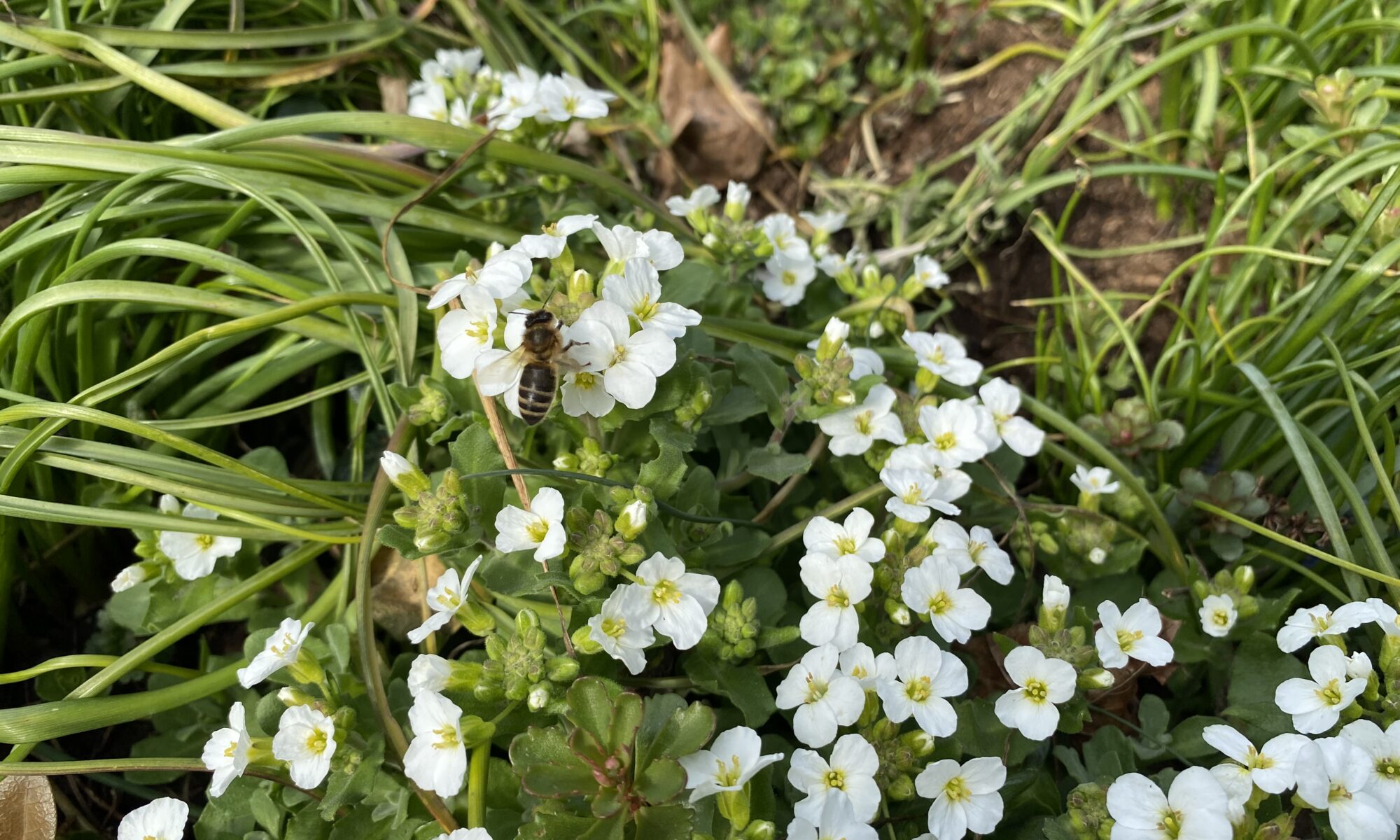

Allergies happen when the immune system overreacts to something that is usually harmless, such as pollen, dust mites, pet dander, foods, insect stings, or medications. The number of allergy sufferers is increasing as the pollen season lengthens, resulting in an increasing number of sensitive individuals and increased economic losses. Examples of the economic impact of the prolongation and increase in the prevalence of allergies are well known. For example, pollen from Japanese cedar plantations in Japan reduces work productivity and household consumption. The cost to the economy is increasing by billions of yen per day. And similar losses are reported from the USA, Europe and Australia.
The combination of worsening pollen exposure (longer pollen season and deteriorating environment) and the growing number of allergic people is increasing pressure on healthcare systems. But economic losses can be reduced thanks to preventive and modern treatment methods.
The Modern immunotherapy
Modern immunotherapy in allergy treatment means that it does not just try to suppress symptoms (runny nose, cough, itching), but changes the immune system’s reaction to the allergen itself.
There are two main forms:
• injectable (SCIT) – allergens are injected
• sublingual (SLIT) – allergen is taken under the tongue in the form of drops or tablets
It is mainly used for:
• pollen allergies
• dust mite allergies
• sometimes animal or mold allergies
Treatment usually lasts:
• a few months a year for pollen allergies
• or 3–5 years long-term
Advantages of sublingual immunotherapy
• can be used at home
• less risky than injections
• also suitable for children
• can reduce the need for antihistamines
• sometimes prevents allergies from worsening or asthma from developing
Disadvantages and limitations
• the effect begins slowly
• must be taken regularly
• does not work for all types of allergies
• may cause mild irritation in the mouth or throat
Differences from conventional medications
For example, antihistamines only suppress symptoms. Immunotherapy tries to change the immune response itself, so it can have a long-term effect even after treatment ends. Allergies cure and prevention strategies.

What are other options? What helps?
A combination of allergen avoidance, environmental modification, and targeted treatment usually works best to reduce allergies.
What is most effective:
• Identify specific allergensTests with an allergist will often show whether it is mainly pollen, dust mites, mold, animals, or food. Each type has different measures.
Pollen allergies
◦ monitor pollen forecasts,
◦ air out more often after rain or in the morning,
◦ wash your hair and change clothes when you get home,
◦ dry your clothes inside during high pollen season,
◦ use an air purifier with a HEPA filter.
Dust mites
◦ wash bed linen at 60°C,
◦ dust mite-resistant mattress and pillow covers,
◦ fewer carpets and textiles in the bedroom,
◦ lower humidity in the apartment.
• Nose and respiratory tract
◦ nasal irrigation with saline or sea water,
◦ enough sleep,
◦ do not overheat and humidify dry air only sensibly.
◦ modern antihistamines tend to cause less fatigue,
◦ nasal corticosteroid sprays are very effective for rhinitis,
◦ in asthma, regular use of inhalation according to the doctor’s prescription is important.

Allergen immunotherapy
◦ long-term treatment (“allergy vaccines”),
◦ can significantly reduce symptoms and medication consumption,
◦ works best for pollen, dust mites or insect venom.
Lifestyle
◦ regular exercise,
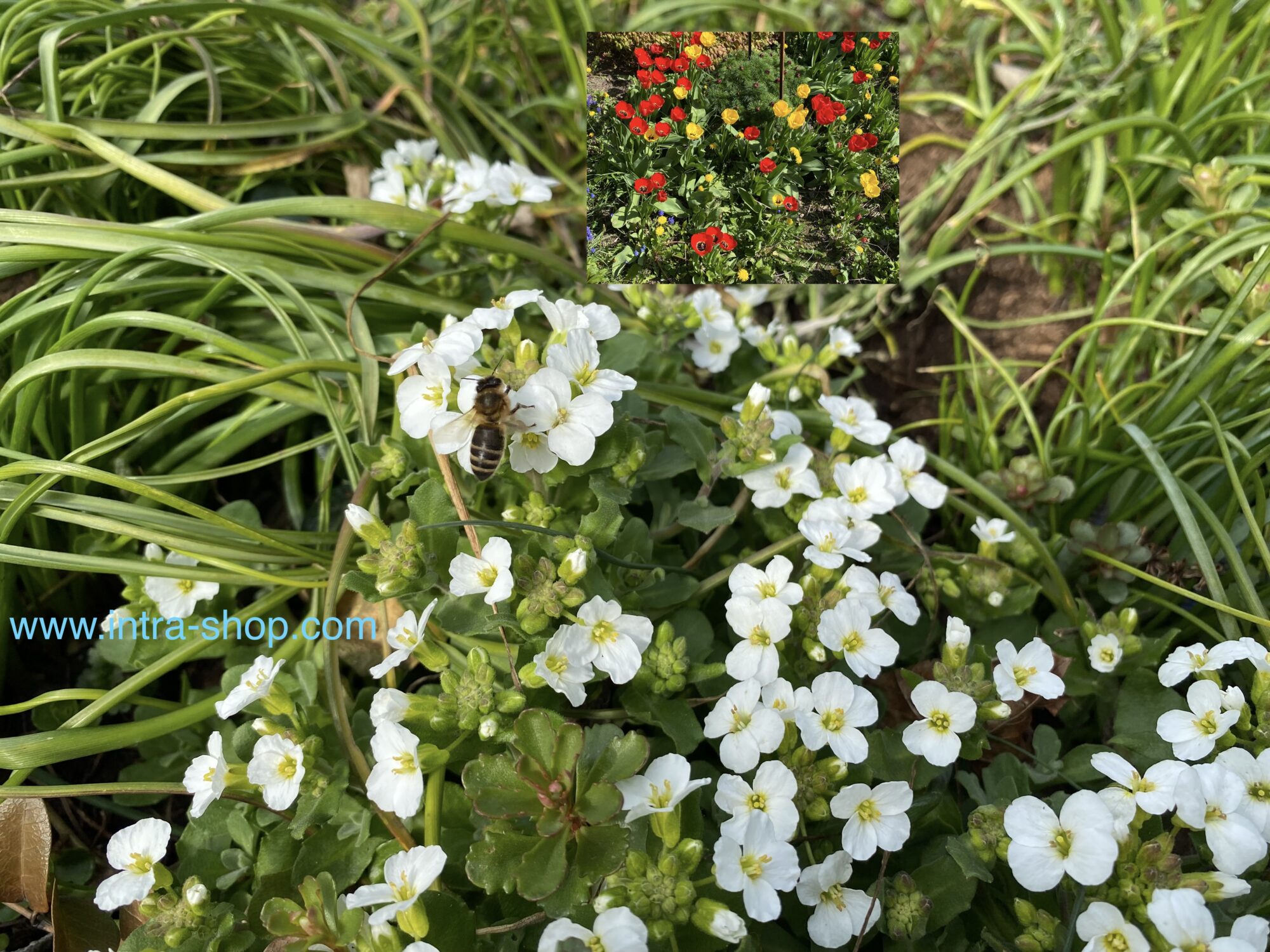
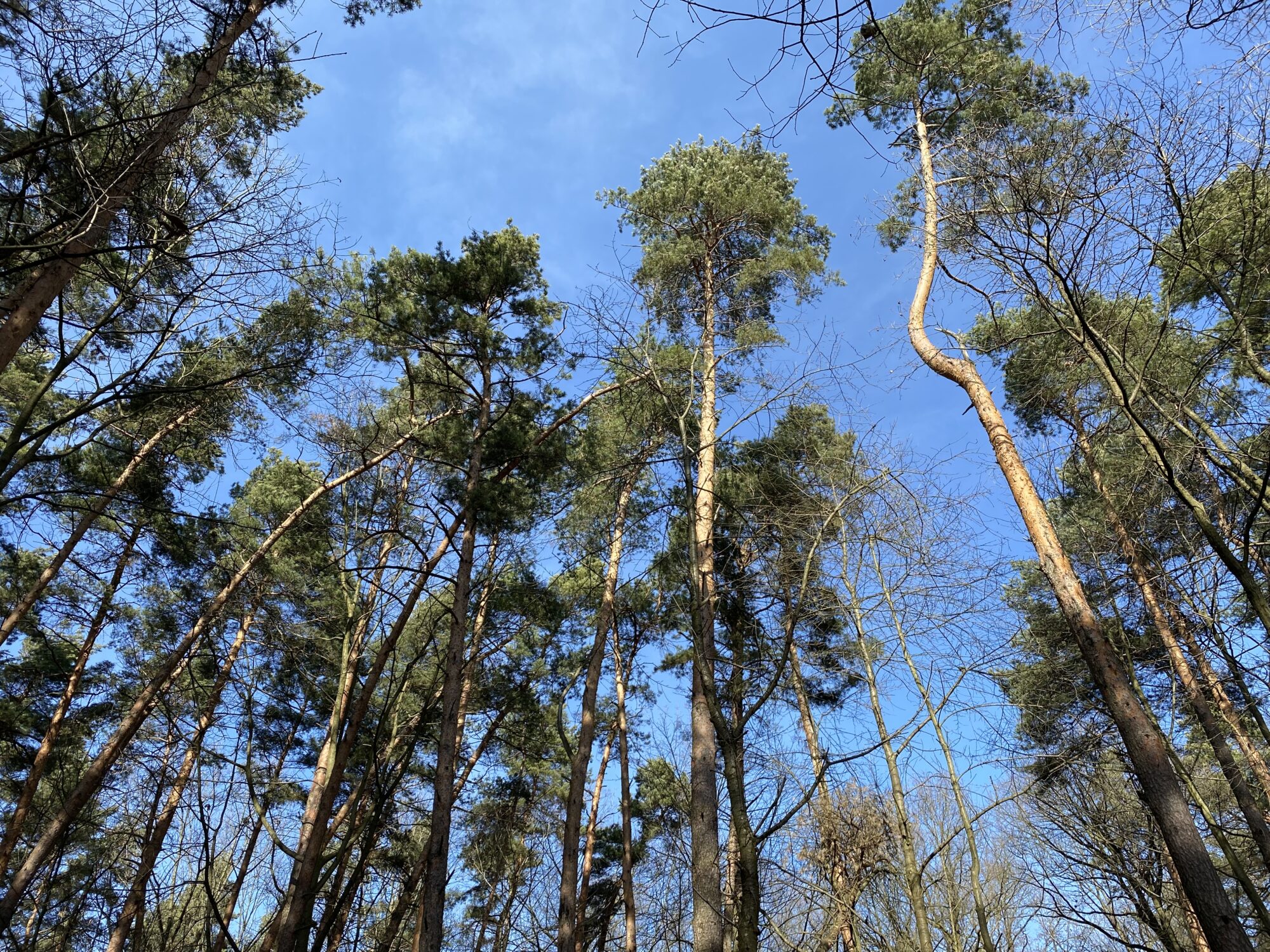
◦ regular stay in nature and the forest, but it is necessary to monitor the pollen news,
◦ stay in nature and outdoors outside the period of extreme pollen,
◦ do not smoke and avoid places where there is smoke and limit smoke,
◦ a varied diet with enough fiber and fermented foods can support the intestinal microbiome.
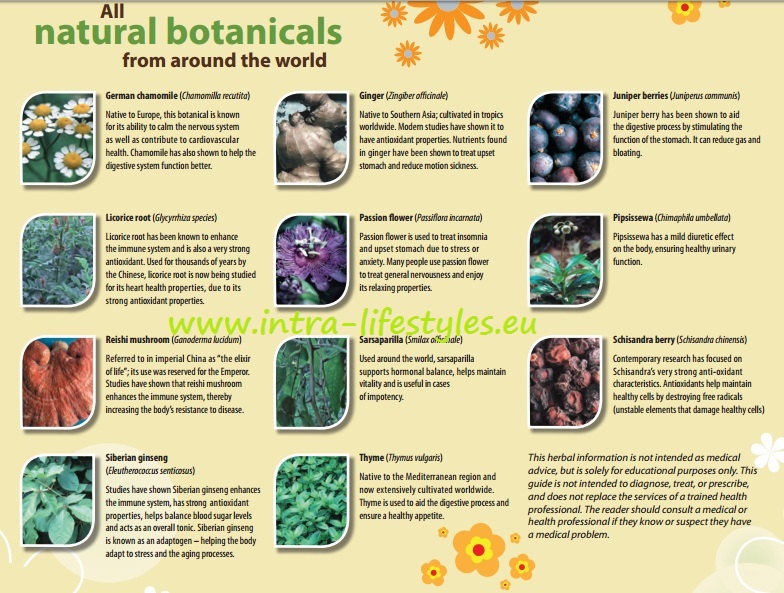
◦ herbal supplements that support immunity
Some supplements (probiotics, quercetin, etc.) have mixed results — they help some, but they are not as reliable as standard treatment.

What are other options for your children? What helps to alleviate allergies?
• regular stay in nature,
• regular and varied contact with the outdoor environment,
• limiting unnecessarily sterile environments,
• standard treatment from an allergist (antihistamines, immunotherapy).
• talking to children about their allergy problems, patiently explaining to children and reassuring them
Source: Wikipedia, Lifestyles Independent Distributors, (AI) systems. May contain errors or inaccuracies.
Prevention strategies
Reduce exposure to triggers
- Keep windows closed during high-pollen days
- Use HEPA air filters and vacuum regularly
- Wash bedding weekly in hot water for dust mites
- Reduce indoor humidity to prevent mold
- Bathe pets regularly and keep them out of bedrooms if allergic
- Read food labels carefully for food allergies
Lifestyle habits
- Don’t smoke and avoid secondhand smoke
- Maintain good indoor ventilation
- Wash hands and shower after outdoor exposure during pollen season
- Wear sunglasses or masks outdoors during heavy pollen days